
Read our travel blog to discover the beauty, culture, and hidden gems of Nepal.
Welcome to the Ember Holidays, your trusted travel companion for discovering the diverse beauty of Nepal. From the snow-capped peaks of the Himalayas to the lush jungles of Chitwan, from the spiritual calm of Lumbini to the vibrant streets of Kathmandu — we bring you stories, guides, and tips that celebrate the heart of Nepal.
Whether you’re planning your next family trip, a solo adventure, or just browsing for travel inspiration, our blog is filled with authentic experiences, cultural highlights, travel itineraries, and off-the-beaten-path destinations that will ignite your wanderlust.
Let Ember Holidays be your guide as you uncover the soul of Nepal — one destination, one story, one unforgettable journey at a time. 
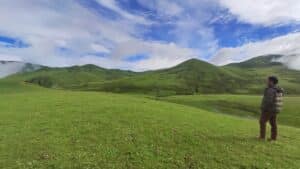
🏔️ Badimalika Booking Open 2083 | Complete Yatra Package Guide

First Indian Group to Kailash Mansarovar beauty Yatra with Ember Holidays – A Sacred Journey of the Soul 35

🕉️ Badimalika Darshan 2025 – When and How to Visit? Full Itinerary & Guide

Mount Kailash Tour 2025 for Indian Citizens | Book Now easy

Top 10 Most Popular Treks in Nepal You Must Experience


Ember Holidays: The Best Travel Agency in Nepal for 2025 Trekking and Adventure Tours

Annapurna Base Camp Trek Blog – Your Ultimate 2025 best Guide by Ember Holidays

🔰 Pioneers of the Badimalika Beauty Trek: Ember Holidays

OUR GALLERY


Nepal is not just a country—it’s a living, breathing masterpiece of culture, nature, and adventure. At Ember Holidays, we believe that every journey within this beautiful land has a story to tell. Whether it’s the misty trails of the Annapurna Region, the sacred peace of Lumbini, or the vibrant chaos of Kathmandu Durbar Square, Nepal is filled with wonders waiting to be discovered. Nepal is not just a country—it’s a living, breathing masterpiece of culture, nature, and adventure. At Ember Holidays, we believe that every journey within this beautiful land has a story to tell. Whether it’s the misty trails of the Annapurna region, the sacred peace of Lumbini, or the vibrant chaos of Kathmandu Durbar Square, Nepal is filled with wonders waiting to be discovered. The Ember Holidays Blog is where those stories come alive. Our goal is simple: to help you explore Nepal like never before. Whether you’re an experienced trekker chasing high-altitude thrills or a laid-back traveler looking for a quiet escape in the hills, we have something for you. We cover everything from travel tips, destination guides, local food experiences, cultural insights, trekking routes, hidden gems, and seasonal travel recommendations—all designed to help you plan better and travel smarter. Nepal is diverse. From the icy peaks of the Himalayas to the green fields of the Terai, from traditional villages nestled in hills to lakeside towns like Pokhara, there’s magic at every turn. But it’s not just about the destinations. It’s about the journey—the warm smiles of locals, the sound of prayer wheels turning in a quiet monastery, the aroma of freshly made sel roti, and the sense of calm that only a mountain sunrise can bring. At Ember Holidays, we are passionate about responsible and meaningful travel. That’s why our blog also highlights sustainable tourism, local businesses, eco-friendly practices, and community-based travel ideas. We believe that when you travel thoughtfully, you not only enrich your own life but also support the people and places that make Nepal so special. Through our blog, you’ll get practical insights too—what to pack for your Mustang trip, the best months to visit Rara Lake, how to avoid tourist traps in Thamel, or where to find the most authentic momo in town. We also feature traveler stories, interviews with local guides, photography showcases, and seasonal top-pick destinations across all seven provinces of Nepal. So whether you’re dreaming of your next escape or already planning your itinerary, let the Ember Holidays Blog be your trusted travel guide. We’re here to inspire you, inform you, and walk with you every step of the way—because every journey starts with a spark. In today’s digital landscape, storytelling has evolved far beyond books and spoken word. Now, individuals and organizations across the globe are sharing stories, ideas, and information through one of the most accessible formats available: the blog. Introduction Nepal, a small yet extraordinary country nestled between China and India, is world-renowned for its majestic Himalayan ranges, pristine landscapes, and rich cultural heritage. Trekking in Nepal isn’t just an adventure; it’s a soulful journey through serene trails, centuries-old monasteries, remote villages, and breathtaking mountain vistas. From the towering Everest to the mystical Annapurna region, domestic trekking in Nepal offers an unparalleled opportunity to reconnect with nature, challenge oneself, and experience the harmony of mountain life. Whether you’re a seasoned trekker or a beginner looking to explore the beauty of your own country, Nepal’s trekking routes are diverse, accessible, and rewarding. This overview will take you through the heart of the mountains, offering insights into major trekking regions, cultural significance, seasonal highlights, and essential tips to plan the perfect trek. 1. The Allure of Trekking in Nepal Nepal is home to 8 of the 14 highest peaks in the world, making it a haven for mountain lovers. But beyond the elevation, the charm of trekking in Nepal lies in its variety. You can experience everything from high-altitude glaciers and alpine forests to terraced fields and subtropical jungles, all within a few days’ journey. Trekking in Nepal is not just about reaching a destination—it’s about the journey itself. The welcoming smiles of local villagers, the aroma of dal bhat in teahouses, the prayer flags fluttering in the wind, and the spiritual presence of the Himalayas combine to make every step memorable. 2. Popular Trekking Regions in Nepal 2.1 Everest Region (Khumbu) The Everest region is perhaps the most iconic trekking area in Nepal. Dominated by the world’s tallest peak—Mount Everest (8,848.86 m)—this region offers challenging yet deeply rewarding trails. While Everest Base Camp (EBC) is the most sought-after destination, other treks like Gokyo Lakes, Three Passes Trek, and Tengboche Monastery Trail are equally stunning. Highlights: Everest Base Camp, Namche Bazaar, Gokyo Ri, Kalapatthar Altitude Range: 2,800 m to 5,500 m Best Season: March-May, October-November 2.2 Annapurna Region The Annapurna region is known for its diverse landscapes, from subtropical valleys to high alpine terrain. The Annapurna Base Camp (ABC) trek and Annapurna Circuit are two of the most popular treks, attracting thousands of domestic and international travelers every year. Highlights: Annapurna Base Camp, Thorong La Pass, Ghorepani, Poon Hill Altitude Range: 800 m to 5,416 m Best Season: Spring and Autumn 2.3 Langtang Region Less crowded yet equally mesmerizing, the Langtang region offers a peaceful trekking experience close to Kathmandu. Known as the “Valley of Glaciers,” Langtang is rich in natural beauty and cultural heritage. Highlights: Langtang Valley, Kyanjin Gompa, Tserko Ri, Gosaikunda Altitude Range: 1,400 m to 4,800 m Best Season: March-May, September-November 2.4 Manaslu Circuit The Manaslu Circuit Trek is a challenging yet rewarding trail around the eighth-highest mountain in the world—Mount Manaslu. It’s a remote and less-traveled trek, ideal for those seeking solitude and adventure. Highlights: Larke Pass, Sama Gaun, Birendra Lake Altitude Range: 700 m to 5,160 m Best Season: March-May, October-November 2.5 Mardi Himal Trek A relatively new trekking route gaining popularity among domestic travelers, the Mardi Himal Trek offers stunning views of Annapurna South, Hiunchuli, Machhapuchhre, and Mardi Himal itself. It’s perfect for short treks without compromising on beauty. Highlights: Forest trails, Mardi Himal Base Camp, Rhododendron blooms Altitude Range: 1,700 m to 4,500 m Best Season: Spring and Autumn 3. Unique Experiences on the Trails 3.1 Breathtaking Landscapes From cascading waterfalls and dense pine forests to vast meadows and snow-covered peaks, every trekking route offers a feast for the eyes. The changing terrain keeps you engaged throughout the trek. 3.2 Cultural Immersion Trekking routes often pass through villages inhabited by ethnic groups like Sherpas, Gurungs, Tamangs, and Thakalis. Staying in teahouses, sharing meals, and experiencing local festivals enrich the journey with cultural depth. 3.3 Spiritual Encounters Monasteries, chortens, mani walls, and prayer wheels are integral to the Himalayan trekking experience. Places like Tengboche Monastery (Everest region) and Kyanjin Gompa (Langtang) offer spiritual refuge for trekkers. 4. Seasonal Insights Spring (March-May): Ideal for trekking due to stable weather and blooming rhododendrons. Autumn (September-November): Clear skies and excellent visibility make this the most popular season. Winter (December-February): Cold but rewarding, with fewer crowds and snowy landscapes. Monsoon (June-August): Not recommended due to slippery trails and leeches, but some rain-shadow areas (like Upper Mustang) are trek-worthy even during monsoon. 5. Domestic Travel Tips for Trekkers 5.1 Pack Light, Pack Smart Essentials include layers of clothing, good hiking shoes, a reusable water bottle, power banks, basic first aid, and personal toiletries. 5.2 Permit Essentials Even for domestic travelers, some routes require permits such as TIMS (Trekkers’ Information Management System) and entry permits for national parks or conservation areas. 5.3 Acclimatize Properly High-altitude treks require proper acclimatization to avoid altitude sickness. Take rest days and ascend gradually. 5.4 Travel Insurance Consider getting domestic travel insurance that covers accidents and emergencies in remote areas. 5.5 Support Local Economy Stay at local teahouses, buy local produce, and hire guides or porters when possible to contribute to the community. 6. Off-the-Beaten-Path Treks If you’re seeking less commercialized and peaceful trails, consider: Khopra Ridge Trek – An alternative to Poon Hill with fewer crowds and equally stunning views. Tamang Heritage Trail – Cultural immersion near Langtang with warm hospitality. Panch Pokhari Trek – A sacred pilgrimage site with five pristine lakes. Upper Dolpo Trek – Remote and rugged with Tibetan-influenced culture. Dhaulagiri Circuit – Wild and challenging, for experienced trekkers only. 7. Why Domestic Treks Matter More Than Ever In recent years, there’s been a growing interest among Nepali youth and families to explore their own backyard. Trekking domestically supports local tourism, strengthens cultural identity, and fosters environmental awareness. It’s also a budget-friendly way to enjoy world-class travel without leaving the country. Many young Nepalis are using treks as a way to disconnect from the fast-paced urban life and reconnect with nature and community. Social media trends, weekend hiking groups, and adventure vlogging have contributed to a rise in domestic trekking culture. 8. Sustainable Trekking Practices As a domestic trekker, you play a crucial role in preserving the beauty of the mountains. Here’s how to trek responsibly: Leave No Trace: Carry back your waste and avoid single-use plastics. Respect Wildlife: Avoid feeding or disturbing animals. Conserve Water: Use water mindfully and avoid polluting streams. Cultural Sensitivity: Ask before photographing locals, and respect religious sites. Avoid Over-tourism: Choose alternative routes during peak season to reduce pressure on popular trails. 9. Recommended Treks for Beginners If you’re new to trekking, consider these short and scenic options: Ghorepani Poon Hill (4–5 days): Great sunrise view of Annapurna and Dhaulagiri ranges. Nagarkot-Chisapani (2–3 days): Close to Kathmandu with forest and village landscapes. Dhampus Trek (2–3 days): Ideal for families and students. Shivapuri Hike (Day hike): Perfect for weekends and fitness. 10. Trekking for Wellness and Growth Trekking is more than physical activity—it’s a holistic experience that promotes: Mental Wellness: Detox from digital overload and reduce stress. Physical Fitness: Burn calories while soaking in beauty. Discipline and Resilience: Overcome physical and mental limits. Connection: Bond with nature, people, and yourself. Conclusion Domestic trekking in Nepal is not just a pastime—it’s a celebration of our incredible geography, our heritage, and our potential. Whether it’s the thrill of reaching Everest Base Camp or the quiet charm of walking through Langtang Valley, each trek offers something unique. As a Nepali, embracing the trails of your homeland brings a sense of pride, purpose, and deep appreciation for the majestic land we call home. So lace up your boots, pack your essentials, and set out on a journey through the Himalayas. The mountains are calling—are you ready to answer? blog blog blog blog blog blog blog blog blog blog blog blog blog blog blog blog blog blog blog blog blog blog blog blog blog blog blog Introduction Nepal, a small yet extraordinary country nestled between China and India, is world-renowned for its majestic Himalayan ranges, pristine landscapes, and rich cultural heritage. Trekking in Nepal isn’t just an adventure; it’s a soulful journey through serene trails, centuries-old monasteries, remote villages, and breathtaking mountain vistas. From the towering Everest to the mystical Annapurna region, domestic trekking in Nepal offers an unparalleled opportunity to reconnect with nature, challenge oneself, and experience the harmony of mountain life. Whether you’re a seasoned trekker or a beginner looking to explore the beauty of your own country, Nepal’s trekking routes are diverse, accessible, and rewarding. This overview will take you through the heart of the mountains, offering insights into major trekking regions, cultural significance, seasonal highlights, and essential tips to plan the perfect trek. 1. The Allure of Trekking in Nepal Nepal is home to 8 of the 14 highest peaks in the world, making it a haven for mountain lovers. But beyond the elevation, the charm of trekking in Nepal lies in its variety. You can experience everything from high-altitude glaciers and alpine forests to terraced fields and subtropical jungles, all within a few days’ journey. Trekking in Nepal is not just about reaching a destination—it’s about the journey itself. The welcoming smiles of local villagers, the aroma of dal bhat in teahouses, the prayer flags fluttering in the wind, and the spiritual presence of the Himalayas combine to make every step memorable. 2. Popular Trekking Regions in Nepal 2.1 Everest Region (Khumbu) The Everest region is perhaps the most iconic trekking area in Nepal. Dominated by the world’s tallest peak—Mount Everest (8,848.86 m)—this region offers challenging yet deeply rewarding trails. While Everest Base Camp (EBC) is the most sought-after destination, other treks like Gokyo Lakes, Three Passes Trek, and Tengboche Monastery Trail are equally stunning. Highlights: Everest Base Camp, Namche Bazaar, Gokyo Ri, Kalapatthar Altitude Range: 2,800 m to 5,500 m Best Season: March-May, October-November 2.2 Annapurna Region The Annapurna region is known for its diverse landscapes, from subtropical valleys to high alpine terrain. The Annapurna Base Camp (ABC) trek and Annapurna Circuit are two of the most popular treks, attracting thousands of domestic and international travelers every year. Highlights: Annapurna Base Camp, Thorong La Pass, Ghorepani, Poon Hill Altitude Range: 800 m to 5,416 m Best Season: Spring and Autumn 2.3 Langtang Region Less crowded yet equally mesmerizing, the Langtang region offers a peaceful trekking experience close to Kathmandu. Known as the “Valley of Glaciers,” Langtang is rich in natural beauty and cultural heritage. Highlights: Langtang Valley, Kyanjin Gompa, Tserko Ri, Gosaikunda Altitude Range: 1,400 m to 4,800 m Best Season: March-May, September-November 2.4 Manaslu Circuit The Manaslu Circuit Trek is a challenging yet rewarding trail around the eighth-highest mountain in the world—Mount Manaslu. It’s a remote and less-traveled trek, ideal for those seeking solitude and adventure. Highlights: Larke Pass, Sama Gaun, Birendra Lake Altitude Range: 700 m to 5,160 m Best Season: March-May, October-November 2.5 Mardi Himal Trek A relatively new trekking route gaining popularity among domestic travelers, the Mardi Himal Trek offers stunning views of Annapurna South, Hiunchuli, Machhapuchhre, and Mardi Himal itself. It’s perfect for short treks without compromising on beauty. Highlights: Forest trails, Mardi Himal Base Camp, Rhododendron blooms Altitude Range: 1,700 m to 4,500 m Best Season: Spring and Autumn 3. Unique Experiences on the Trails 3.1 Breathtaking Landscapes From cascading waterfalls and dense pine forests to vast meadows and snow-covered peaks, every trekking route offers a feast for the eyes. The changing terrain keeps you engaged throughout the trek. 3.2 Cultural Immersion Trekking routes often pass through villages inhabited by ethnic groups like Sherpas, Gurungs, Tamangs, and Thakalis. Staying in teahouses, sharing meals, and experiencing local festivals enrich the journey with cultural depth. 3.3 Spiritual Encounters Monasteries, chortens, mani walls, and prayer wheels are integral to the Himalayan trekking experience. Places like Tengboche Monastery (Everest region) and Kyanjin Gompa (Langtang) offer spiritual refuge for trekkers. 4. Seasonal Insights Spring (March-May): Ideal for trekking due to stable weather and blooming rhododendrons. Autumn (September-November): Clear skies and excellent visibility make this the most popular season. Winter (December-February): Cold but rewarding, with fewer crowds and snowy landscapes. Monsoon (June-August): Not recommended due to slippery trails and leeches, but some rain-shadow areas (like Upper Mustang) are trek-worthy even during monsoon. 5. Domestic Travel Tips for Trekkers 5.1 Pack Light, Pack Smart Essentials include layers of clothing, good hiking shoes, a reusable water bottle, power banks, basic first aid, and personal toiletries. 5.2 Permit Essentials Even for domestic travelers, some routes require permits such as TIMS (Trekkers’ Information Management System) and entry permits for national parks or conservation areas. 5.3 Acclimatize Properly High-altitude treks require proper acclimatization to avoid altitude sickness. Take rest days and ascend gradually. 5.4 Travel Insurance Consider getting domestic travel insurance that covers accidents and emergencies in remote areas. 5.5 Support Local Economy Stay at local teahouses, buy local produce, and hire guides or porters when possible to contribute to the community. 6. Off-the-Beaten-Path Treks If you’re seeking less commercialized and peaceful trails, consider: Khopra Ridge Trek – An alternative to Poon Hill with fewer crowds and equally stunning views. Tamang Heritage Trail – Cultural immersion near Langtang with warm hospitality. Panch Pokhari Trek – A sacred pilgrimage site with five pristine lakes. Upper Dolpo Trek – Remote and rugged with Tibetan-influenced culture. Dhaulagiri Circuit – Wild and challenging, for experienced trekkers only. 7. Why Domestic Treks Matter More Than Ever In recent years, there’s been a growing interest among Nepali youth and families to explore their own backyard. Trekking domestically supports local tourism, strengthens cultural identity, and fosters environmental awareness. It’s also a budget-friendly way to enjoy world-class travel without leaving the country. Many young Nepalis are using treks as a way to disconnect from the fast-paced urban life and reconnect with nature and community. Social media trends, weekend hiking groups, and adventure vlogging have contributed to a rise in domestic trekking culture. 8. Sustainable Trekking Practices As a domestic trekker, you play a crucial role in preserving the beauty of the mountains. Here’s how to trek responsibly: Leave No Trace: Carry back your waste and avoid single-use plastics. Respect Wildlife: Avoid feeding or disturbing animals. Conserve Water: Use water mindfully and avoid polluting streams. Cultural Sensitivity: Ask before photographing locals, and respect religious sites. Avoid Over-tourism: Choose alternative routes during peak season to reduce pressure on popular trails. 9. Recommended Treks for Beginners If you’re new to trekking, consider these short and scenic options: Ghorepani Poon Hill (4–5 days): Great sunrise view of Annapurna and Dhaulagiri ranges. Nagarkot-Chisapani (2–3 days): Close to Kathmandu with forest and village landscapes. Dhampus Trek (2–3 days): Ideal for families and students. Shivapuri Hike (Day hike): Perfect for weekends and fitness. 10. Trekking for Wellness and Growth Trekking is more than physical activity—it’s a holistic experience that promotes: Mental Wellness: Detox from digital overload and reduce stress. Physical Fitness: Burn calories while soaking in beauty. Discipline and Resilience: Overcome physical and mental limits. Connection: Bond with nature, people, and yourself. Conclusion Domestic trekking in Nepal is not just a pastime—it’s a celebration of our incredible geography, our heritage, and our potential. Whether it’s the thrill of reaching Everest Base Camp or the quiet charm of walking through Langtang Valley, each trek offers something unique. As a Nepali, embracing the trails of your homeland brings a sense of pride, purpose, and deep appreciation for the majestic land we call home. So lace up your boots, pack your essentials, and set out on a journey through the Himalayas. The mountains are calling—are you ready to answer? Introduction Nepal, a small yet extraordinary country nestled between China and India, is world-renowned for its majestic Himalayan ranges, pristine landscapes, and rich cultural heritage. Trekking in Nepal isn’t just an adventure; it’s a soulful journey through serene trails, centuries-old monasteries, remote villages, and breathtaking mountain vistas. From the towering Everest to the mystical Annapurna region, domestic trekking in Nepal offers an unparalleled opportunity to reconnect with nature, challenge oneself, and experience the harmony of mountain life. Whether you’re a seasoned trekker or a beginner looking to explore the beauty of your own country, Nepal’s trekking routes are diverse, accessible, and rewarding. This overview will take you through the heart of the mountains, offering insights into major trekking regions, cultural significance, seasonal highlights, and essential tips to plan the perfect trek. 1. The Allure of Trekking in Nepal Nepal is home to 8 of the 14 highest peaks in the world, making it a haven for mountain lovers. But beyond the elevation, the charm of trekking in Nepal lies in its variety. You can experience everything from high-altitude glaciers and alpine forests to terraced fields and subtropical jungles, all within a few days’ journey. Trekking in Nepal is not just about reaching a destination—it’s about the journey itself. The welcoming smiles of local villagers, the aroma of dal bhat in teahouses, the prayer flags fluttering in the wind, and the spiritual presence of the Himalayas combine to make every step memorable. 2. Popular Trekking Regions in Nepal 2.1 Everest Region (Khumbu) The Everest region is perhaps the most iconic trekking area in Nepal. Dominated by the world’s tallest peak—Mount Everest (8,848.86 m)—this region offers challenging yet deeply rewarding trails. While Everest Base Camp (EBC) is the most sought-after destination, other treks like Gokyo Lakes, Three Passes Trek, and Tengboche Monastery Trail are equally stunning. Highlights: Everest Base Camp, Namche Bazaar, Gokyo Ri, Kalapatthar Altitude Range: 2,800 m to 5,500 m Best Season: March-May, October-November 2.2 Annapurna Region The Annapurna region is known for its diverse landscapes, from subtropical valleys to high alpine terrain. The Annapurna Base Camp (ABC) trek and Annapurna Circuit are two of the most popular treks, attracting thousands of domestic and international travelers every year. Highlights: Annapurna Base Camp, Thorong La Pass, Ghorepani, Poon Hill Altitude Range: 800 m to 5,416 m Best Season: Spring and Autumn 2.3 Langtang Region Less crowded yet equally mesmerizing, the Langtang region offers a peaceful trekking experience close to Kathmandu. Known as the “Valley of Glaciers,” Langtang is rich in natural beauty and cultural heritage. Highlights: Langtang Valley, Kyanjin Gompa, Tserko Ri, Gosaikunda Altitude Range: 1,400 m to 4,800 m Best Season: March-May, September-November 2.4 Manaslu Circuit The Manaslu Circuit Trek is a challenging yet rewarding trail around the eighth-highest mountain in the world—Mount Manaslu. It’s a remote and less-traveled trek, ideal for those seeking solitude and adventure. Highlights: Larke Pass, Sama Gaun, Birendra Lake Altitude Range: 700 m to 5,160 m Best Season: March-May, October-November 2.5 Mardi Himal Trek A relatively new trekking route gaining popularity among domestic travelers, the Mardi Himal Trek offers stunning views of Annapurna South, Hiunchuli, Machhapuchhre, and Mardi Himal itself. It’s perfect for short treks without compromising on beauty. Highlights: Forest trails, Mardi Himal Base Camp, Rhododendron blooms Altitude Range: 1,700 m to 4,500 m Best Season: Spring and Autumn 3. Unique Experiences on the Trails 3.1 Breathtaking Landscapes From cascading waterfalls and dense pine forests to vast meadows and snow-covered peaks, every trekking route offers a feast for the eyes. The changing terrain keeps you engaged throughout the trek. 3.2 Cultural Immersion Trekking routes often pass through villages inhabited by ethnic groups like Sherpas, Gurungs, Tamangs, and Thakalis. Staying in teahouses, sharing meals, and experiencing local festivals enrich the journey with cultural depth. 3.3 Spiritual Encounters Monasteries, chortens, mani walls, and prayer wheels are integral to the Himalayan trekking experience. Places like Tengboche Monastery (Everest region) and Kyanjin Gompa (Langtang) offer spiritual refuge for trekkers. 4. Seasonal Insights Spring (March-May): Ideal for trekking due to stable weather and blooming rhododendrons. Autumn (September-November): Clear skies and excellent visibility make this the most popular season. Winter (December-February): Cold but rewarding, with fewer crowds and snowy landscapes. Monsoon (June-August): Not recommended due to slippery trails and leeches, but some rain-shadow areas (like Upper Mustang) are trek-worthy even during monsoon. 5. Domestic Travel Tips for Trekkers 5.1 Pack Light, Pack Smart Essentials include layers of clothing, good hiking shoes, a reusable water bottle, power banks, basic first aid, and personal toiletries. 5.2 Permit Essentials Even for domestic travelers, some routes require permits such as TIMS (Trekkers’ Information Management System) and entry permits for national parks or conservation areas. 5.3 Acclimatize Properly High-altitude treks require proper acclimatization to avoid altitude sickness. Take rest days and ascend gradually. 5.4 Travel Insurance Consider getting domestic travel insurance that covers accidents and emergencies in remote areas. 5.5 Support Local Economy Stay at local teahouses, buy local produce, and hire guides or porters when possible to contribute to the community. 6. Off-the-Beaten-Path Treks If you’re seeking less commercialized and peaceful trails, consider: Khopra Ridge Trek – An alternative to Poon Hill with fewer crowds and equally stunning views. Tamang Heritage Trail – Cultural immersion near Langtang with warm hospitality. Panch Pokhari Trek – A sacred pilgrimage site with five pristine lakes. Upper Dolpo Trek – Remote and rugged with Tibetan-influenced culture. Dhaulagiri Circuit – Wild and challenging, for experienced trekkers only. 7. Why Domestic Treks Matter More Than Ever In recent years, there’s been a growing interest among Nepali youth and families to explore their own backyard. Trekking domestically supports local tourism, strengthens cultural identity, and fosters environmental awareness. It’s also a budget-friendly way to enjoy world-class travel without leaving the country. Many young Nepalis are using treks as a way to disconnect from the fast-paced urban life and reconnect with nature and community. Social media trends, weekend hiking groups, and adventure vlogging have contributed to a rise in domestic trekking culture. 8. Sustainable Trekking Practices As a domestic trekker, you play a crucial role in preserving the beauty of the mountains. Here’s how to trek responsibly: Leave No Trace: Carry back your waste and avoid single-use plastics. Respect Wildlife: Avoid feeding or disturbing animals. Conserve Water: Use water mindfully and avoid polluting streams. Cultural Sensitivity: Ask before photographing locals, and respect religious sites. Avoid Over-tourism: Choose alternative routes during peak season to reduce pressure on popular trails. 9. Recommended Treks for Beginners If you’re new to trekking, consider these short and scenic options: Ghorepani Poon Hill (4–5 days): Great sunrise view of Annapurna and Dhaulagiri ranges. Nagarkot-Chisapani (2–3 days): Close to Kathmandu with forest and village landscapes. Dhampus Trek (2–3 days): Ideal for families and students. Shivapuri Hike (Day hike): Perfect for weekends and fitness. 10. Trekking for Wellness and Growth Trekking is more than physical activity—it’s a holistic experience that promotes: Mental Wellness: Detox from digital overload and reduce stress. Physical Fitness: Burn calories while soaking in beauty. Discipline and Resilience: Overcome physical and mental limits. Connection: Bond with nature, people, and yourself. Conclusion Domestic trekking in Nepal is not just a pastime—it’s a celebration of our incredible geography, our heritage, and our potential. Whether it’s the thrill of reaching Everest Base Camp or the quiet charm of walking through Langtang Valley, each trek offers something unique. As a Nepali, embracing the trails of your homeland brings a sense of pride, purpose, and deep appreciation for the majestic land we call home. So lace up your boots, pack your essentials, and set out on a journey through the Himalayas. The mountains are calling—are you ready to answer? Introduction Nepal, a small yet extraordinary country nestled between China and India, is world-renowned for its majestic Himalayan ranges, pristine landscapes, and rich cultural heritage. Trekking in Nepal isn’t just an adventure; it’s a soulful journey through serene trails, centuries-old monasteries, remote villages, and breathtaking mountain vistas. From the towering Everest to the mystical Annapurna region, domestic trekking in Nepal offers an unparalleled opportunity to reconnect with nature, challenge oneself, and experience the harmony of mountain life. Whether you’re a seasoned trekker or a beginner looking to explore the beauty of your own country, Nepal’s trekking routes are diverse, accessible, and rewarding. This overview will take you through the heart of the mountains, offering insights into major trekking regions, cultural significance, seasonal highlights, and essential tips to plan the perfect trek. 1. The Allure of Trekking in Nepal Nepal is home to 8 of the 14 highest peaks in the world, making it a haven for mountain lovers. But beyond the elevation, the charm of trekking in Nepal lies in its variety. You can experience everything from high-altitude glaciers and alpine forests to terraced fields and subtropical jungles, all within a few days’ journey. Trekking in Nepal is not just about reaching a destination—it’s about the journey itself. The welcoming smiles of local villagers, the aroma of dal bhat in teahouses, the prayer flags fluttering in the wind, and the spiritual presence of the Himalayas combine to make every step memorable. 2. Popular Trekking Regions in Nepal 2.1 Everest Region (Khumbu) The Everest region is perhaps the most iconic trekking area in Nepal. Dominated by the world’s tallest peak—Mount Everest (8,848.86 m)—this region offers challenging yet deeply rewarding trails. While Everest Base Camp (EBC) is the most sought-after destination, other treks like Gokyo Lakes, Three Passes Trek, and Tengboche Monastery Trail are equally stunning. Highlights: Everest Base Camp, Namche Bazaar, Gokyo Ri, Kalapatthar Altitude Range: 2,800 m to 5,500 m Best Season: March-May, October-November 2.2 Annapurna Region The Annapurna region is known for its diverse landscapes, from subtropical valleys to high alpine terrain. The Annapurna Base Camp (ABC) trek and Annapurna Circuit are two of the most popular treks, attracting thousands of domestic and international travelers every year. Highlights: Annapurna Base Camp, Thorong La Pass, Ghorepani, Poon Hill Altitude Range: 800 m to 5,416 m Best Season: Spring and Autumn 2.3 Langtang Region Less crowded yet equally mesmerizing, the Langtang region offers a peaceful trekking experience close to Kathmandu. Known as the “Valley of Glaciers,” Langtang is rich in natural beauty and cultural heritage. Highlights: Langtang Valley, Kyanjin Gompa, Tserko Ri, Gosaikunda Altitude Range: 1,400 m to 4,800 m Best Season: March-May, September-November 2.4 Manaslu Circuit The Manaslu Circuit Trek is a challenging yet rewarding trail around the eighth-highest mountain in the world—Mount Manaslu. It’s a remote and less-traveled trek, ideal for those seeking solitude and adventure. Highlights: Larke Pass, Sama Gaun, Birendra Lake Altitude Range: 700 m to 5,160 m Best Season: March-May, October-November 2.5 Mardi Himal Trek A relatively new trekking route gaining popularity among domestic travelers, the Mardi Himal Trek offers stunning views of Annapurna South, Hiunchuli, Machhapuchhre, and Mardi Himal itself. It’s perfect for short treks without compromising on beauty. Highlights: Forest trails, Mardi Himal Base Camp, Rhododendron blooms Altitude Range: 1,700 m to 4,500 m Best Season: Spring and Autumn 3. Unique Experiences on the Trails 3.1 Breathtaking Landscapes From cascading waterfalls and dense pine forests to vast meadows and snow-covered peaks, every trekking route offers a feast for the eyes. The changing terrain keeps you engaged throughout the trek. 3.2 Cultural Immersion Trekking routes often pass through villages inhabited by ethnic groups like Sherpas, Gurungs, Tamangs, and Thakalis. Staying in teahouses, sharing meals, and experiencing local festivals enrich the journey with cultural depth. 3.3 Spiritual Encounters Monasteries, chortens, mani walls, and prayer wheels are integral to the Himalayan trekking experience. Places like Tengboche Monastery (Everest region) and Kyanjin Gompa (Langtang) offer spiritual refuge for trekkers. 4. Seasonal Insights Spring (March-May): Ideal for trekking due to stable weather and blooming rhododendrons. Autumn (September-November): Clear skies and excellent visibility make this the most popular season. Winter (December-February): Cold but rewarding, with fewer crowds and snowy landscapes. Monsoon (June-August): Not recommended due to slippery trails and leeches, but some rain-shadow areas (like Upper Mustang) are trek-worthy even during monsoon. 5. Domestic Travel Tips for Trekkers 5.1 Pack Light, Pack Smart Essentials include layers of clothing, good hiking shoes, a reusable water bottle, power banks, basic first aid, and personal toiletries. 5.2 Permit Essentials Even for domestic travelers, some routes require permits such as TIMS (Trekkers’ Information Management System) and entry permits for national parks or conservation areas. 5.3 Acclimatize Properly High-altitude treks require proper acclimatization to avoid altitude sickness. Take rest days and ascend gradually. 5.4 Travel Insurance Consider getting domestic travel insurance that covers accidents and emergencies in remote areas. 5.5 Support Local Economy Stay at local teahouses, buy local produce, and hire guides or porters when possible to contribute to the community. 6. Off-the-Beaten-Path Treks If you’re seeking less commercialized and peaceful trails, consider: Khopra Ridge Trek – An alternative to Poon Hill with fewer crowds and equally stunning views. Tamang Heritage Trail – Cultural immersion near Langtang with warm hospitality. Panch Pokhari Trek – A sacred pilgrimage site with five pristine lakes. Upper Dolpo Trek – Remote and rugged with Tibetan-influenced culture. Dhaulagiri Circuit – Wild and challenging, for experienced trekkers only. 7. Why Domestic Treks Matter More Than Ever In recent years, there’s been a growing interest among Nepali youth and families to explore their own backyard. Trekking domestically supports local tourism, strengthens cultural identity, and fosters environmental awareness. It’s also a budget-friendly way to enjoy world-class travel without leaving the country. Many young Nepalis are using treks as a way to disconnect from the fast-paced urban life and reconnect with nature and community. Social media trends, weekend hiking groups, and adventure vlogging have contributed to a rise in domestic trekking culture. 8. Sustainable Trekking Practices As a domestic trekker, you play a crucial role in preserving the beauty of the mountains. Here’s how to trek responsibly: Leave No Trace: Carry back your waste and avoid single-use plastics. Respect Wildlife: Avoid feeding or disturbing animals. Conserve Water: Use water mindfully and avoid polluting streams. Cultural Sensitivity: Ask before photographing locals, and respect religious sites. Avoid Over-tourism: Choose alternative routes during peak season to reduce pressure on popular trails. 9. Recommended Treks for Beginners If you’re new to trekking, consider these short and scenic options: Ghorepani Poon Hill (4–5 days): Great sunrise view of Annapurna and Dhaulagiri ranges. Nagarkot-Chisapani (2–3 days): Close to Kathmandu with forest and village landscapes. Dhampus Trek (2–3 days): Ideal for families and students. Shivapuri Hike (Day hike): Perfect for weekends and fitness. 10. Trekking for Wellness and Growth Trekking is more than physical activity—it’s a holistic experience that promotes: Mental Wellness: Detox from digital overload and reduce stress. Physical Fitness: Burn calories while soaking in beauty. Discipline and Resilience: Overcome physical and mental limits. Connection: Bond with nature, people, and yourself. Conclusion Domestic trekking in Nepal is not just a pastime—it’s a celebration of our incredible geography, our heritage, and our potential. Whether it’s the thrill of reaching Everest Base Camp or the quiet charm of walking through Langtang Valley, each trek offers something unique. As a Nepali, embracing the trails of your homeland brings a sense of pride, purpose, and deep appreciation for the majestic land we call home. So lace up your boots, pack your essentials, and set out on a journey through the Himalayas. The mountains are calling—are you ready to answer? blog blog blog blog blog blog blog blog blog blog blog blog blog blog blog blog blog blog blog blog blog blog blog blog blog blog blog blog blog blog blog blog blog blog blog blog blog blog blog blog blog blog blog blog blog blog blog blog blog blog blog blog blog blog blog blog blog blog blog blog blog blog blog blog blog blog blog blog blog blog blog blog