-
3 Star Hotel
-
Kathmandu
-
Kathmandu
-
October-November
-
3900
-
Breakfast, Lunch and Dinner
-
Visa Master card
-
Private Vehicle
-
5-7 hours
-
10
-
60
-
2 - 27
Api Base Camp Trek
Api Base Camp Trek
Unforgettable Api Base Camp Trek – 13 Days Adventure with Ember Holidays
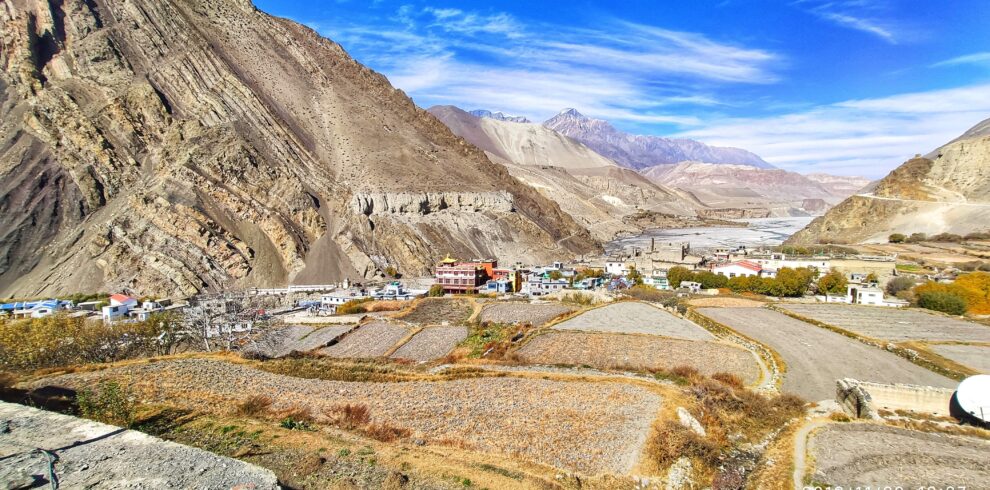
situated in the far western region of Nepal, is a hidden gem offering an off-the-beaten-path adventure through some of the country’s most pristine landscapes. This challenging trek provides panoramic views of the majestic Api Himal (7,132m) and other towering peaks, as well as diverse terrains ranging from lush forests to alpine meadows and glacial moraines. The journey allows trekkers to immerse themselves in the rich culture of the local Bhotiya and Hindu communities, experiencing their traditional lifestyles and warm hospitality in remote villages. With rich biodiversity in the Api Nampa Conservation Area, trekkers may also encounter various wildlife species. Spanning 12-14 days, the trek starts from Makarigad, accessible via a flight to Dhangadhi and a subsequent drive. This trek, best undertaken in the spring or autumn, promises a truly authentic and solitary experience, away from the crowded trails of more popular routes like Everest or Annapurna. Due to its strenuous nature, good physical fitness is essential, and hiring local guides and porters is recommended for navigation and support. Accommodations are basic, mostly consisting of teahouses and camping. Overall, the Api Base Camp Trek is a rewarding expedition for those seeking adventure, cultural immersion, and unspoiled natural beauty.
VisitHere for official purposes.Itinerary
Upon your arrival at Tribhuvan International Airport, our office representatives will warmly welcome you and assist with your transfer to the hotel. You will be accompanied by them to ensure a smooth and comfortable journey. Once you reach the hotel, you can settle in and relax, enjoying an overnight stay as you prepare for the adventures ahead.
Accommodation: Hotel
Meals: Breakfast, Lunch, Dinner
Cost Includes
- Permit Fees: Trekking in the Api region may require permits from the local authorities or national park authorities. These permit fees can vary depending on the duration of the trek and the specific areas visited.
- Guide and Porter Fees: Hiring a licensed guide and porter is recommended for trekking in remote areas like Api. The cost of hiring a guide and porter will depend on the duration of the trek and the level of service provided.
- Accommodation: Accommodation options along the Api trek can range from basic teahouses to more comfortable lodges or camping sites. The cost of accommodation will vary depending on the type of lodging chosen.
- Food and Water: Budget for meals and water during the trek. Most trekkers opt for full-board packages that include three meals a day (breakfast, lunch, and dinner) at teahouses or campsites along the route.
- Transportation: Consider the cost of transportation to and from the starting point of the trek, whether it's by road or by air. This may include flights to and from Kathmandu, as well as ground transportation to the trekking trailhead.
- Equipment Rental: If you don't have your own trekking gear, you may need to rent or purchase equipment such as sleeping bags, trekking poles, and other gear.
- Miscellaneous Expenses: Factor in additional expenses such as travel insurance, permits for photography or filming, snacks, souvenirs, and tips for guides and porters.
Cost Excludes
- International Flights: The cost of flights to and from your home country to Nepal, as well as any domestic flights within Nepal (e.g., Kathmandu to Dhangadhi), are usually not included in trekking packages.
- Visa Fees: Travelers to Nepal usually need to obtain a tourist visa upon arrival or in advance. The cost of the visa is not typically included in trekking packages.
- Travel Insurance: It's highly recommended to have travel insurance that covers trekking activities, medical emergencies, evacuation, and trip cancellation. This cost is usually separate from the trek package.
- Personal Expenses: Expenses such as additional meals and drinks outside of the trek package, snacks, alcoholic beverages, laundry, internet access, and souvenirs are not typically covered.
- Trekking Gear: While some trekking packages might include certain gear like sleeping bags or trekking poles, you may need to purchase or rent additional gear such as proper trekking boots, clothing, and accessories.
- Tips and Gratuities: Tips for guides, porters, and other support staff are not usually included in the trek package cost but are customary and appreciated.
- Additional Activities: If you choose to participate in optional activities before or after the trek, such as cultural tours, sightseeing in Kathmandu, or additional days of trekking, these costs would be separate from the trek package.
- Medical Expenses: Any medical expenses incurred during the trek, including treatment for altitude sickness or other ailments, are not typically covered and would be the responsibility of the trekker.
- Emergency Evacuation: In the event of a medical emergency requiring evacuation by helicopter or other means, the cost of evacuation is usually not included and would need to be covered by travel insurance or out-of-pocket.
The trek is considered strenuous, involving long hours of trekking, steep ascents, and high altitudes. Good physical fitness and prior trekking experience are recommended.
The best time for the trek is during the spring (March to May) and autumn (September to November) seasons when the weather is stable, skies are clear, and the views are stunning
Trekkers need permits for the Api Nampa Conservation Area, which can be obtained through the local authorities or trekking agencies.
While it’s possible to trek independently, hiring local guides and porters is recommended for navigation, cultural insights, and support, especially in remote areas.
Accommodations along the trek are basic, typically consisting of teahouses or camping. Facilities may be rustic, with shared bathrooms and limited amenities.
Essential items include trekking gear, sturdy hiking boots, warm clothing, a good-quality sleeping bag, water purification tablets, sunscreen, and a first aid kit.
Yes, altitude sickness can be a concern due to the high altitudes reached during the trek. It’s important to acclimatize properly, stay hydrated, and be aware of the symptoms of altitude sickness.
Some trekking agencies provide emergency evacuation services in case of emergencies. It’s essential to have travel insurance that covers emergency medical evacuation.
Yes, trek itineraries can be customized based on your preferences, time constraints, and fitness level. It’s advisable to discuss any modifications with your trekking agency or guide.
The trek offers opportunities to interact with local communities, experience traditional customs, and visit ancient monasteries and temples along the route.