
-
4 Star Hotel
-
Kathmandu
-
Kathmandu
-
Guided
-
Available
-
4380 meters
-
available
-
Scorpio
-
5-6 hours
-
16
-
60
-
2 - 20
Gosaikunda Trek Overview
The Gosaikunda Trek offers an enriching experience for trekkers looking to immerse themselves in the beauty of the Himalayas while exploring sacred sites and remote villages. The trek is renowned for its combination of natural beauty, cultural exploration, and spiritual significance. After starting from Dhunche, a bustling town, trekkers make their way through serene forests and picturesque landscapes, gradually gaining altitude as they approach Gosaikunda Lake. The journey takes you through remote villages such as Sing Gompa, where you can experience the local Tamang and Sherpacultures, visit Buddhist monasteries, and learn about the traditions that have been passed down through generations.
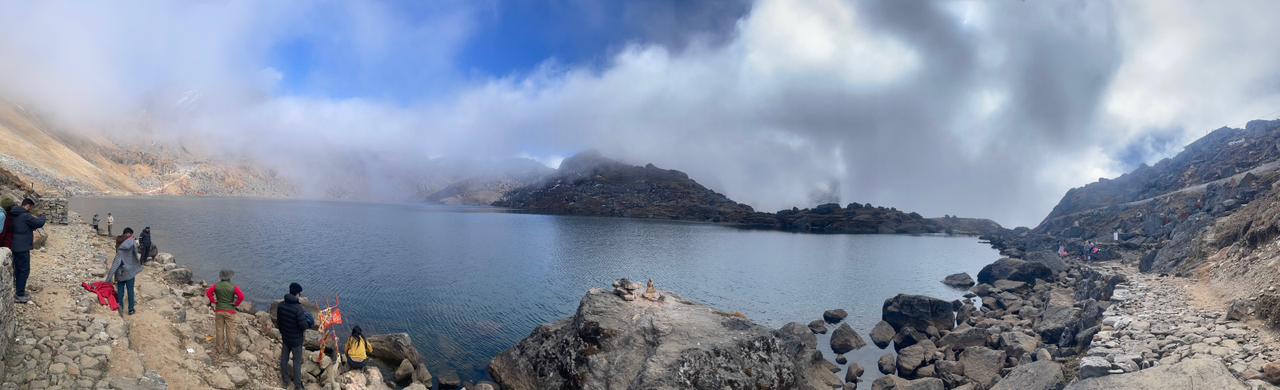
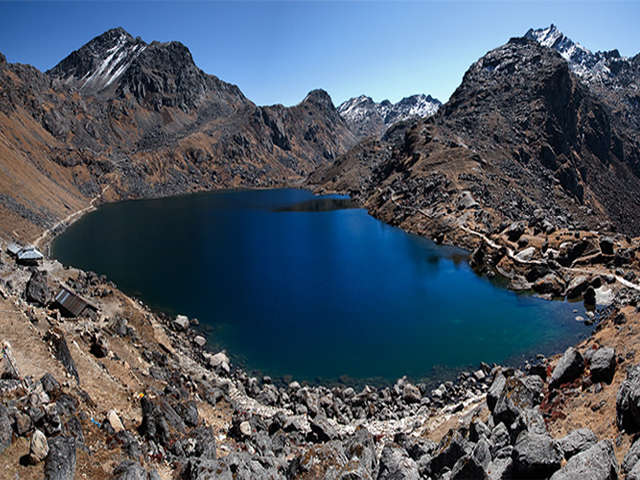
As you ascend, the scenery transforms from subtropical forests to alpine meadows and rugged, rocky terrain. The trail is surrounded by towering peaks like Langtang Lirung, Manaslu, and Ganesh Himal, which provide jaw-dropping vistas along the way. At Gosaikunda Lake, trekkers are rewarded with a serene environment, reflecting the still waters of the lake surrounded by snow-capped peaks. This sacred lake attracts many pilgrims, especially during the Janai Purnima festival, when thousands visit to take a dip in the holy water.
The trek, while not overly technical, requires good physical preparation due to the challenging terrain and the significant altitude gain, with Gosaikunda sitting at nearly 4,400 meters. Acclimatization is essential to avoid altitude sickness, and trekkers often take it slow, allowing their bodies to adjust. The route passes through Laurebinayak, a high-altitude settlement, which is often the turning point for those heading to the lake. The return journey follows the same route, but the descent offers a different perspective of the landscape, with clearer views of the valleys and distant peaks.
The Gosaikunda Trek is best undertaken during the spring or autumn, when the weather is most favorable and the mountain views are unobstructed. In addition to its natural beauty, trekkers will encounter wildlife such as red pandas, Himalayan tahr, wild boar, and a variety of bird species, making it a perfect destination for nature lovers. The trek is also a cultural journey, offering insights into the Tibetan-influenced lifestyle of the local communities. The Langtang National Park is home to diverse flora and fauna, adding another layer of interest for eco-conscious trekkers. Overall, the Gosaikunda Trek provides an unforgettable combination of adventure, spirituality, and immersion in the natural and cultural treasures of Nepal.
What to expect on your Journey to Gosaikunda?
On your journey to Gosaikunda, you can expect a unique and enriching experience that blends natural beauty, cultural exploration, spiritual significance, and a physical challenge. Here’s what you can anticipate:
1. Scenic Landscapes and Changing Terrain
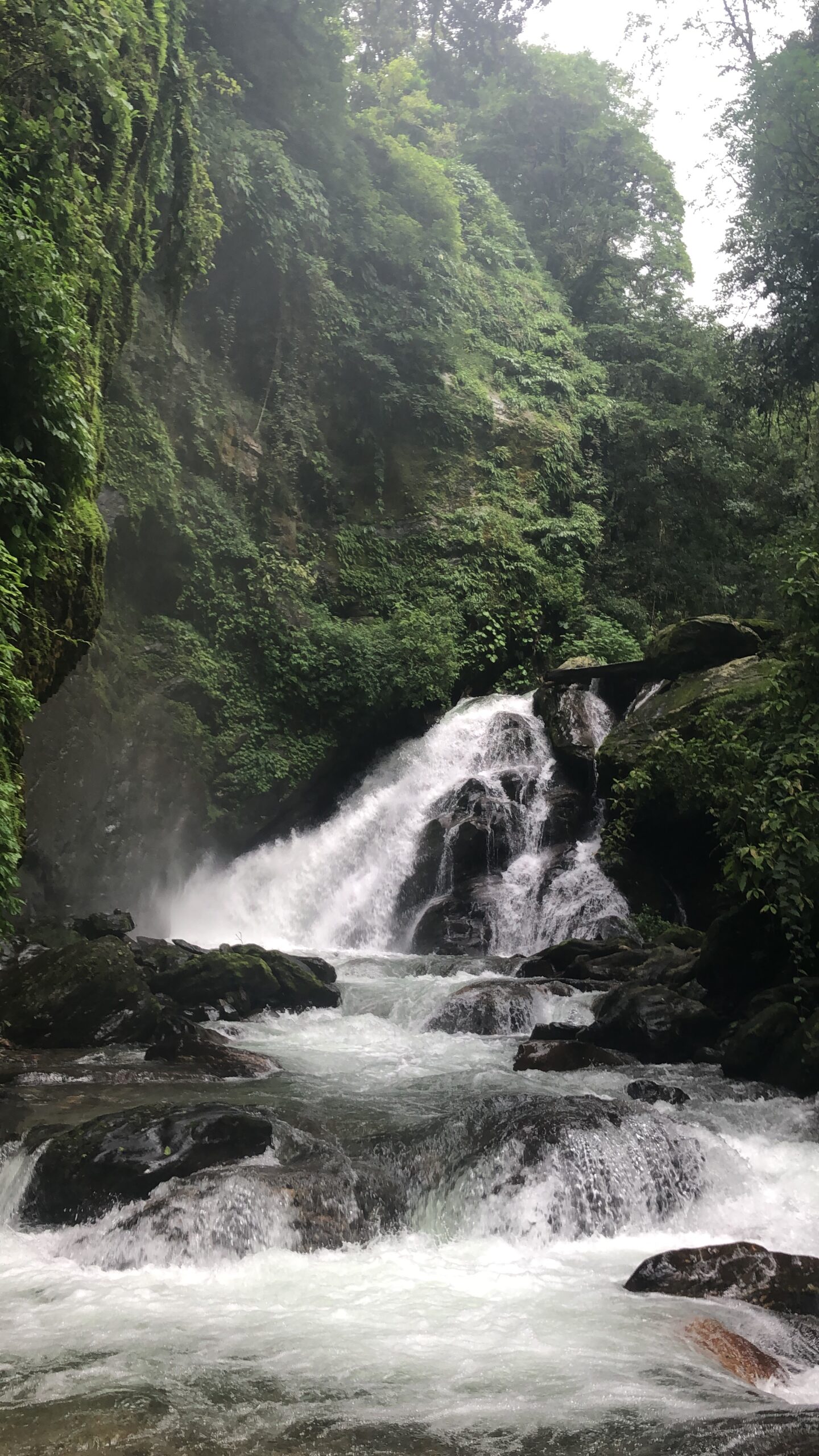
As you trek towards Gosaikunda, you’ll witness an incredible transformation in the landscape. Starting from Dhunche, you’ll walk through lush subtropical forests filled with rhododendron and oak trees, moving through terraced fields, and gradually ascending to alpine meadows and rugged high-altitude environments. You’ll pass by charming villages, cross rivers and streams, and enjoy panoramic views of snow-capped peaks like Langtang Lirung, Ganesh Himal, and Manaslu.
2. Spiritual and Cultural Insights
The journey to Gosaikunda is also an immersion into the spiritual heart of Nepal. Gosaikunda Lake is a sacred pilgrimage site for Hindus and Buddhists, and during the Janai Purnima festival, you’ll witness thousands of pilgrims visiting the lake. As you pass through villages like Sing Gompa, you’ll encounter Tamang and Sherpa communities who have lived in harmony with the mountains for centuries. You can visit Buddhist monasteries, see prayer flags fluttering in the wind, and learn about the spiritual traditions of these local cultures.
3. Physical Challenge and Acclimatization
The Gosaikunda Trek is moderate to challenging, and while not technically difficult, it involves steep ascents and high-altitude terrain. You’ll be trekking at altitudes above 4,000 meters (13,000 feet), which requires proper acclimatization to prevent altitude sickness. Expect to take slow and steady steps to adjust to the elevation. The trail can be strenuous, but the reward of reaching Gosaikunda Lake makes the effort worthwhile.
4. Majestic Mountain Views
As you ascend, you’ll be treated to awe-inspiring views of the Langtang and Manaslu ranges. Once at Gosaikunda, the panoramic views of the surrounding snow-capped peaks, glaciers, and pristine alpine lakes are breathtaking. The serene environment at the lake, surrounded by towering peaks, makes it a perfect place for reflection and spiritual connection.
5. Diverse Wildlife
Langtang National Park, which encompasses the Gosaikunda region, is home to a variety of wildlife. While trekking, you might spot animals such as red pandas, Himalayan tahr, and wild boar, as well as numerous species of birds and butterflies. The park’s biodiversity adds an extra layer of beauty to the journey.
6. Challenging Altitude and Weather Conditions
The weather in the higher altitudes can change rapidly, so be prepared for cold mornings and evenings, especially as you get closer to Gosaikunda Lake. The trek can be physically demanding due to the altitude, so it’s essential to carry warm clothing and gear suitable for unpredictable weather.
7. A Spiritual Experience
Many trekkers visit Gosaikunda not just for the adventure, but for the spiritual experience. The lake itself is considered a holy site, and during your trek, you may see locals performing rituals, offering prayers, or taking a dip in the cold water, believing it purifies the soul. The peace and stillness around the lake provide an opportunity for personal reflection or quiet meditation, making it more than just a physical journey.
8. Warm Local Hospitality
The Tamang and Sherpa people who live in the villages along the route are known for their warm hospitality. In the teahouses and homestays along the trail, you’ll be welcomed with traditional food, such as dal bhat (lentil soup with rice), moments (dumplings), and tsampa (roasted barley flour). Staying in these local lodges gives you the chance to interact with the communities, learn about their culture, and share in their stories.
9. An Immersive Experience in Nature
Expect to disconnect from the hustle and bustle of daily life. With no access to modern technology in many parts of the trek, you’ll be able to fully immerse yourself in nature. The sounds of flowing rivers, the calls of birds, and the rustle of leaves will surround you. The remote nature of the trail offers tranquility and the chance to be fully present in the journey.
10. A Sense of Accomplishment
Reaching Gosaikunda Lake is a significant achievement, especially considering the altitude and the challenging terrain you’ve traversed. It offers a deep sense of fulfillment, both physically and mentally. The serene environment at the lake, combined with the spiritual significance, makes this trek a truly rewarding experience that stays with you long after you return.
Preparing for the Gosaikunda Trek is essential to ensure you have a safe, enjoyable, and successful experience. The trek involves high altitudes, steep terrain, and challenging conditions, so proper preparation will help you make the most of your adventure. Here’s how to prepare for the trek:
1. Get in Good Physical Shape
The Gosaikunda Trek is moderate to challenging, so physical fitness is important. You don’t need to be an athlete, but you should be able to handle several hours of walking each day, often on steep terrain.
- Cardiovascular Fitness: Focus on building stamina through activities like hiking, jogging, cycling, or swimming. Aim for at least 3-4 sessions a week to improve your endurance.
- Strength Training: Work on your leg strength with exercises like squats, lunges, and step-ups. This will help you tackle the uphill sections of the trek.
- Hiking Practice: If possible, practice hiking on uneven or uphill terrain. This will help you get used to walking with a backpack and on rocky paths.
2. Acclimatize to High Altitudes
Altitude sickness is a risk on the Gosaikunda Trek due to the high elevation (with the highest point at 4,380 meters/14,370 feet). Acclimatization is key to avoiding altitude sickness.
- Gradual Ascent: The trek includes a gradual ascent to higher altitudes. Make sure to follow the “climb high, sleep low” rule—spend time at higher altitudes during the day but descend to lower elevations to sleep if you feel unwell.
- Rest Days: Plan for rest days in the itinerary, especially after reaching higher altitudes, to allow your body to acclimatize.
- Hydration: Stay well-hydrated throughout the trek, as dehydration increases the risk of altitude sickness.
3. Pack Smart
Packing the right gear is crucial for the Gosaikunda Trek. Since the weather and conditions can vary greatly, you’ll need clothing and gear that can handle cold temperatures, rain, and the high-altitude environment.
- Clothing: Dress in layers to stay comfortable. Key layers include:
- Base layer: Moisture-wicking clothes (avoid cotton).
- Insulating layer: Fleece or down jacket for warmth.
- Outer layer: Waterproof and windproof jacket and pants.
- Footwear: Invest in sturdy, comfortable hiking boots with ankle support for rocky terrain and possible wet conditions.
- Sleeping Bag: A four-season sleeping bag is recommended to keep warm at higher altitudes.
- Trekking Poles: These can provide stability and reduce the strain on your knees, especially on steep descents.
- Sun Protection: Pack sunscreen, sunglasses, and a hat to protect yourself from UV rays at high altitudes.
4. Plan for Altitude Sickness Prevention
Altitude sickness is a serious concern above 3,000 meters. To reduce the risk:
- Ascend Slowly: Follow the trekking itinerary and allow for gradual elevation gains.
- Rest if Necessary: If you start to feel symptoms of altitude sickness (headache, dizziness, nausea), take a rest day and descend if symptoms persist.
- Consider Medication: Consult with your doctor about medication like Diamox to help prevent altitude sickness. Always follow medical advice.
5. Train Your Mental Toughness
The Gosaikunda Trek is not only a physical challenge but a mental one as well. You will face long days of trekking, sometimes in challenging weather conditions, with limited access to comforts. Being mentally prepared is key to enjoying the trek.
- Stay Positive: Prepare yourself for the physical and mental endurance required, and remember that each step brings you closer to the stunning views and spiritual rewards of the journey.
- Embrace the Slow Pace: The trek is not about rushing; it’s about enjoying the journey, the views, and the connections with locals and fellow trekkers.
6. Understand the Trek’s Route and Conditions
Familiarize yourself with the trail and its conditions. The Gosaikunda Trek is generally well-marked, but understanding the route, including possible challenges like steep ascents and rough paths, will help you plan accordingly.
- Research the Trek: Learn about the route, typical weather conditions, and potential hazards. Having realistic expectations will help you stay prepared.
- Know Your Stops: Make sure you know the teahouse locations and services available along the route. This helps in planning your rest and meal stops.
7. Stay Hydrated and Eat Well
The combination of physical activity and altitude means proper hydration and nutrition are vital.
- Hydration: Drink plenty of water, especially at higher altitudes, to prevent dehydration. You may need to treat water from streams or purchase bottled water along the way.
- Food: Stick to a balanced diet of carbohydrates, protein, and fats to keep your energy levels high. Local dishes like dal bhat (lentil soup with rice), momos (dumplings), and chapati (flatbread) are commonly available along the trek.
8. Pack Essential Documents and Permits
Ensure you have all the necessary documents for the trek. The Gosaikunda Trek requires Trekking Permits for the Langtang National Park and a TIMS (Trekkers’ Information Management System) card.
- Permits: Ensure your trek operator arranges your permits, or visit the Nepal Tourism Board in Kathmandu to obtain them before departure.
- Travel Insurance: Make sure your travel insurance covers high-altitude trekking and potential evacuations if necessary.
9. Mental Preparation for a Cultural Journey
The Gosaikunda Trek offers an opportunity to connect with local cultures. Be open-minded and respectful of the Tamang and Sherpa communities along the way. Learn about their customs, traditions, and religion to enhance your experience.
- Cultural Respect: When visiting monasteries or local homes, remember to follow local customs (e.g., removing shoes before entering).
- Patience and Flexibility: Trekking in Nepal can involve unexpected delays or changes. Being flexible and adaptable will make the experience much more enjoyable.
10. Book with a Reliable Operator
Choosing a reliable trekking operator can make all the difference. Look for one that provides:
- Experienced, knowledgeable guides.
- Small group sizes (if trekking with others).
- Good safety standards, especially concerning altitude sickness prevention.
- A clear and detailed itinerary, with proper acclimatization days.
Highlights
- Stunning Mountain Views Throughout the trek, you’ll be treated to breathtaking views of snow-capped peaks like Langtang Lirung, Ganesh Himal, and Manaslu. These panoramic vistas provide a constant source of inspiration and beauty as you ascend higher.
- Sacred Gosaikunda Lake The highlight of the trek is reaching Gosaikunda Lake, a sacred site for both Hindus and Buddhists. The lake is surrounded by snow-covered peaks, and many trekkers and pilgrims visit the lake for spiritual reflection or purification, particularly during the Janai Purnima festival.
- Cultural Encounters with Local Communities Along the trail, you’ll pass through villages inhabited by Tamang and Sherpa communities. You’ll have the opportunity to learn about their unique cultures, traditions, and lifestyles, and visit local Buddhist monasteries where you can experience their spiritual practices firsthand.
- Diverse Flora and Fauna As you trek through the Langtang National Park, you’ll encounter a wide variety of flora and fauna. The region is home to wildlife such as red pandas, Himalayan tahr, and a diverse range of bird species. The trek also passes through dense forests filled with rhododendron and oak trees.
- Spiritual Experience The Gosaikunda Trek offers a unique spiritual journey, with many trekkers visiting the sacred lake for reflection, prayer, and connection to nature. The presence of Buddhist stupas, prayer flags, and monasteries along the route adds to the spiritual atmosphere of the trek.
- Peaceful and Remote Environment Unlike more popular treks like the Everest Base Camp, the Gosaikunda Trek is less crowded, offering a more peaceful and remote trekking experience. The serenity of the surroundings and the tranquility of the high-altitude lakes make it a perfect destination for those seeking solitude.
- Varied Terrain The trek offers diverse landscapes, from subtropical forests to alpine meadows and rocky terrain. As you ascend, the views change dramatically, offering a rich variety of scenery and landscapes to enjoy.
- Unique High-Altitude Experience The Gosaikunda Trek takes you to high altitudes, with the highest point being Gosaikunda Lake at over 4,380 meters (14,370 feet). This provides a unique experience of trekking in the high Himalayas, where you can witness the impact of altitude on the landscape, vegetation, and the people who live there.
- Spiritual and Religious Significance Gosaikunda Lake is one of the most sacred places for Hindus in Nepal. Every year, thousands of pilgrims visit to take a dip in the holy waters, believing it cleanses them of their sins. This adds a unique cultural and religious dimension to the trek.
- Opportunities for Reflection and Peace The natural beauty, spiritual atmosphere, and peaceful environment of the trek make it a great place for self-reflection and relaxation. Many trekkers use the journey as a time for personal growth, meditation, or simply reconnecting with nature.


