-
Hotel, Tea House and Camping
-
Kathmandu
-
Kathmandu
-
October-November
-
Guide
-
4230m
-
Breakfast, Lunch and Dinner
-
Visa Master card
-
Private Vehicle and Domestic flight
-
5-7 hours
-
10
-
64
-
2 - 26
Saipal South Base Camp Overview
Saipal South Base Camp
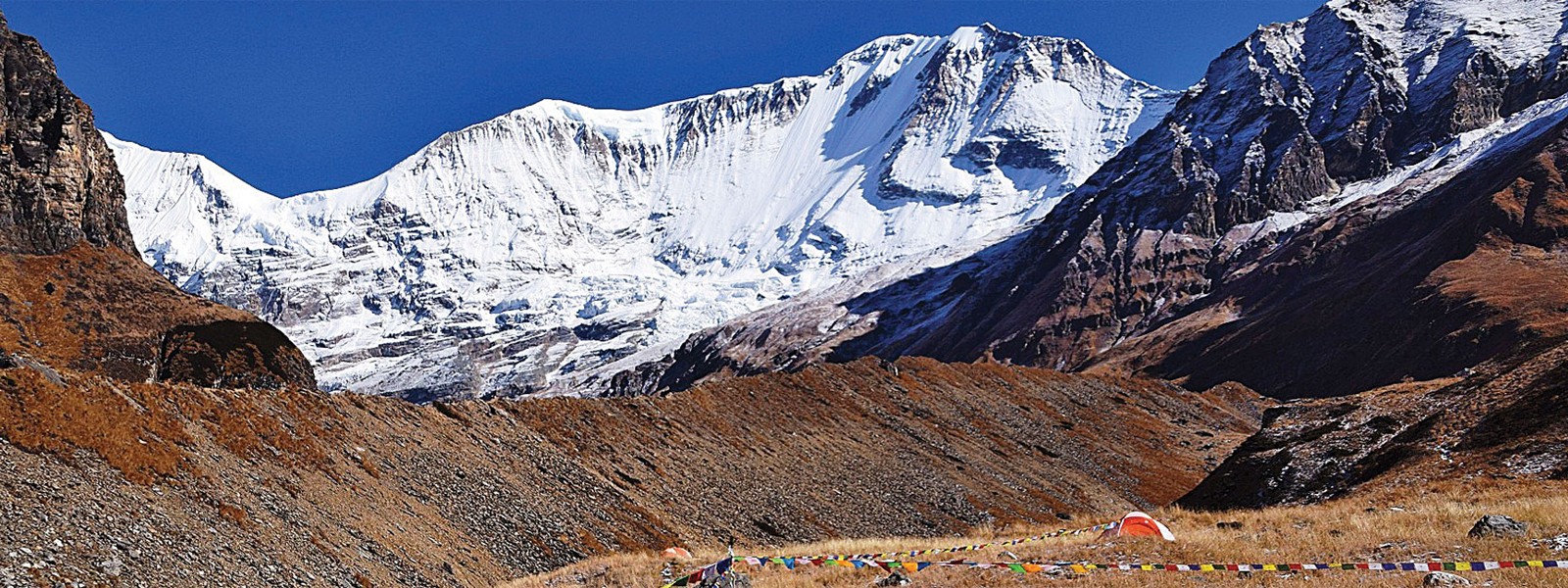
Saipal South Base Camp is a hidden treasure nestled in the remote far-western region of Nepal, offering trekkers a rare opportunity to explore one of the country’s most untouched and pristine landscapes. Towering at 7,031 meters, Mount Saipal stands as the second-highest peak in western Nepal, and the journey to its south base camp is an adventure that promises both physical challenge and natural beauty. This off-the-beaten-path trek takes you through diverse terrain, blending lush green forests, rolling hills, alpine meadows, and dramatic mountain landscapes.
The journey begins with a scenic route through traditional villages, where the lifestyle has remained largely unchanged for generations. Along the trail, you’ll encounter indigenous communities such as the Khas and Bhotiya people, whose warmth and hospitality provide an enriching cultural experience. The trek offers a unique window into the daily lives, customs, and traditions of these mountain dwellers, making it more than just a physical journey — it’s a cultural immersion.
As you ascend, the landscapes shift dramatically, unveiling panoramic views of snow-capped peaks and crystal-clear rivers. The peaceful surroundings are home to diverse flora and fauna, including Himalayan blue sheep, musk deer, and elusive snow leopards, making the region a paradise for nature lovers and wildlife enthusiasts. The serenity of the trail, free from the crowds of more popular trekking routes, allows for a deeper connection with nature and a sense of tranquility that’s hard to find elsewhere.
Reaching Saipal South Base Camp is a moment of triumph, as you stand in the shadow of the majestic Mount Saipal, surrounded by towering peaks and vast glacial landscapes. The sense of isolation and raw beauty at the base camp creates a profound feeling of accomplishment and awe. Whether you’re drawn to the adventure, the cultural richness, or the stunning mountain scenery, the Saipal South Base Camp trek promises a once-in-a-lifetime experience that leaves a lasting impression on every traveler’s heart.
Khas and Bhotiya peopleItinerary
Upon your arrival at the breathtaking city of Kathmandu, nestled in the majestic foothills of the Himalayas, you will be greeted with warmth and hospitality by our office representatives. As you step off the plane, the crisp mountain air embraces you, reminding you of the awe-inspiring altitude of this enchanting destination. Our attentive staff will guide you through the necessary procedures and seamlessly transfer you to your hotel, where you can check-in and unwind after your journey. Surrounded by the serene ambiance of the valley and the distant peaks towering above, you'll settle in for an overnight stay, ready to embark on your Himalayan adventure.
Max. Altitude: 1600m
Meal: Breakfast, Lunch, Dinner
Accommodation: Hotel in Kathmandu
Cost
Cost Including
- Permit Fees: Trekking in the Saipal region may require permits from the local authorities or national park authorities. These permit fees can vary depending on the duration of the trek and the specific areas visited.
- Guide and Porter Fees: Hiring a licensed guide and porter is recommended for trekking in remote areas like Saipal. The cost of hiring a guide and porter will depend on the duration of the trek and the level of service provided.
- Accommodation: Accommodation options along the Saipal trek can range from basic teahouses to more comfortable lodges or camping sites. The cost of accommodation will vary depending on the type of lodging chosen.
- Food and Water: Budget for meals and water during the trek. Most trekkers opt for full-board packages that include three meals a day (breakfast, lunch, and dinner) at teahouses or campsites along the route.
- Transportation: Consider the cost of transportation to and from the starting point of the trek, whether it's by road or by air. This may include flights to and from Kathmandu, as well as ground transportation to the trekking trailhead.
- Equipment Rental: If you don't have your own trekking gear, you may need to rent or purchase equipment such as sleeping bags, trekking poles, and other gear.
- Miscellaneous Expenses: Factor in additional expenses such as travel insurance, permits for photography or filming, snacks, souvenirs, and tips for guides and porters.
Cost Excludes
- International Flights: The cost of flights to and from your home country to Nepal, as well as any domestic flights within Nepal (e.g., Kathmandu to Dhangadhi), are usually not included in trekking packages.
- Visa Fees: Travelers to Nepal usually need to obtain a tourist visa upon arrival or in advance. The cost of the visa is not typically included in trekking packages.
- Travel Insurance: It's highly recommended to have travel insurance that covers trekking activities, medical emergencies, evacuation, and trip cancellation. This cost is usually separate from the trek package.
- Personal Expenses: Expenses such as additional meals and drinks outside of the trek package, snacks, alcoholic beverages, laundry, internet access, and souvenirs are not typically covered.
- Trekking Gear: While some trekking packages might include certain gear like sleeping bags or trekking poles, you may need to purchase or rent additional gear such as proper trekking boots, clothing, and accessories.
- Tips and Gratuities: Tips for guides, porters, and other support staff are not usually included in the trek package cost but are customary and appreciated.
- Additional Activities: If you choose to participate in optional activities before or after the trek, such as cultural tours, sightseeing in Kathmandu, or additional days of trekking, these costs would be separate from the trek package.
- Medical Expenses: Any medical expenses incurred during the trek, including treatment for altitude sickness or other ailments, are not typically covered and would be the responsibility of the trekker.
- Emergency Evacuation: In the event of a medical emergency requiring evacuation by helicopter or other means, the cost of evacuation is usually not included and would need to be covered by travel insurance or out-of-pocket.
FAQs
The Saipal trek is considered a challenging trek, suitable for experienced trekkers. It involves steep ascents and descents, high altitude, and rugged terrain. Proper physical fitness and acclimatization are essential.
The best time for the Saipal trek is during the spring (March to May) and autumn (September to November) seasons when the weather is generally clear and stable, offering excellent visibility and comfortable temperatures.
Yes, trekking permits are required for the Saipal region. These permits can be obtained from the appropriate authorities or through a trekking agency. Be sure to check the latest permit requirements and fees before your trek.
While hiring a licensed guide and porter is not mandatory for the Saipal trek, it is highly recommended, especially for those who are not familiar with the area or trekking in remote regions. A guide can provide valuable assistance with navigation, safety, and cultural insights.
Accommodation along the Saipal trek varies from basic teahouses or guesthouses to camping in tents, depending on the route and itinerary chosen. Facilities may be basic, with shared rooms and simple meals available.
Proper acclimatization is crucial for avoiding altitude sickness during the Saipal trek. It’s essential to ascend gradually, stay hydrated, and listen to your body. Carrying medication such as acetazolamide (Diamox) and being aware of the symptoms of altitude sickness are also important.
Essential items to pack for the Saipal trek include appropriate clothing for varying weather conditions, sturdy trekking boots, a sleeping bag, sunscreen, a first aid kit, water purification tablets, and a headlamp or flashlight. Be sure to pack lightweight and moisture-wicking clothing suitable for trekking.
Yes, many trekking agencies offer customizable itineraries for the Saipal trek, allowing trekkers to tailor the route, duration, and level of difficulty according to their preferences and fitness levels. Be sure to discuss your requirements with the trekking agency when planning your trek.


