
-
3 Star Hotel
-
Kathmandu
-
Kathmandu
-
Guided
-
Available
-
3690 meters
-
16
-
60
-
2 - 30
Helambu Trek
The Helambu Trek is an excellent choice for trekkers seeking a more tranquil and culturally immersive experience in the Himalayas. Unlike the more crowded trekking routes like Everest Base Camp or Annapurna, Helambu offers a sense of solitude and peacefulness. The trek starts with a short drive from Kathmandu to Sundarijal, where the journey begins with a gentle climb through lush forests. As you trek through charming villages like Chisapani, Kutumsang, and Tarke Gyang, you’ll witness the lifestyle of the Hyolmo people, a Tibetan-Buddhist ethnic group.
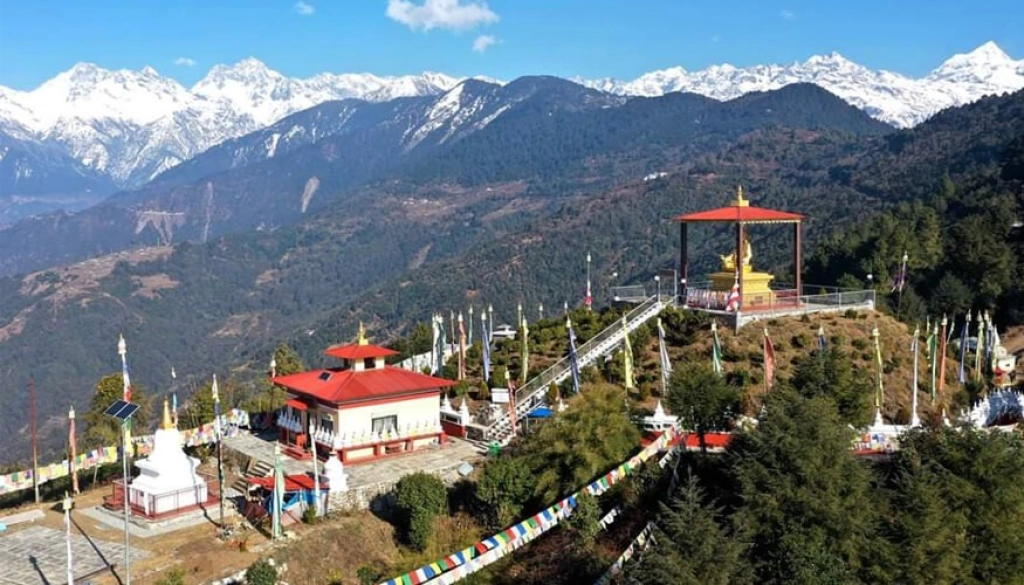
These villages are rich in culture, with monasteries, prayer flags, and chortens scattered throughout. Along the way, you’ll enjoy warm hospitality from the locals, who offer traditional meals and comfortable accommodations in tea houses. The highest point of the trek, Tharepati, offers panoramic views of the Langtang and Ganesh Himal ranges, making it a memorable highlight.
The trek is moderate in difficulty, with gradual ascents and descents, making it suitable for beginners or families, and its proximity to Kathmandu means it’s also an ideal option for those with limited time. The trek also provides a fantastic opportunity for birdwatching and wildlife spotting, with a chance to see species like the Himalayan tahr, wild boar, and various types of birds. Whether you’re after stunning mountain views, a cultural experience, or simply an escape into nature, the Helambu Trek is a fulfilling adventure.
What to Expect on Your Journey to Helambu :
1. Scenic Drive from Kathmandu: Your adventure begins with a scenic drive from Kathmandu to Sundarijal, the starting point of the trek. The drive takes about 1-2 hours, offering views of lush landscapes, traditional villages, and the valley below, with the distant backdrop of the Himalayas.
2. Lush Forests and Beautiful Landscapes: As you start the trek, expect to walk through dense forests of oak, rhododendron, and pine. These forests are especially stunning during spring when rhododendron flowers bloom in vibrant colors. The fresh air and serene environment create a peaceful atmosphere as you move further from the city.
3. Unique Villages and Cultural Encounters: You will pass through several picturesque villages, including Chisapani, Kutumsang, Tarke Gyang, and Melamchi. These villages are home to the Hyolmo people, an ethnic group with strong Tibetan Buddhist influences. The local people maintain traditional ways of life, and you’ll have the chance to see their charming wooden houses, visit Buddhist monasteries, and experience their rich cultural traditions. The village people are friendly and welcoming, often sharing stories and offering local food like momo (dumplings) and dal bhat (rice and lentil soup).
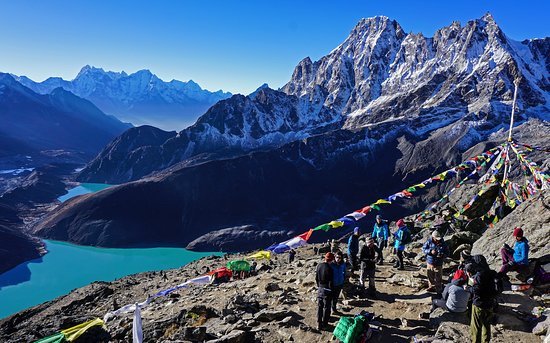
4. Mountain Views: As you gain altitude, expect stunning views of snow-capped peaks. From Tharepati, the highest point of the trek, you’ll be treated to a panoramic view of the Langtang Himal, Ganesh Himal, and other distant mountain ranges. The clear skies and fresh mountain air make these vistas truly unforgettable.
5. Moderate Challenge and Gradual Ascent: The trek to Helambu is considered moderate, with gradual ascents and descents, making it suitable for most trekkers, even beginners. The terrain varies from forested paths to open meadows, with occasional steeper sections that may challenge you, especially on the way to Tharepati. It’s a great trek for those who want to experience the Himalayas without the extreme altitude or difficulty of more intense routes like Everest or Annapurna.
6. Warm Hospitality in Tea Houses: Along the trail, you’ll stay in tea houses, where you’ll experience the warm hospitality of the locals. These small guesthouses provide basic accommodations with simple rooms and shared bathrooms. In the evening, you can enjoy local Nepali food like dal bhat or noodle soup, and interact with other trekkers or locals around a communal fire.
7. Wildlife and Birdwatching: The trek offers opportunities for wildlife and birdwatching, particularly in the lower altitudes. You might see animals such as Himalayan tahr, wild boar, and various bird species, including colorful pheasants and eagles. The diverse flora and fauna add to the trek’s charm.
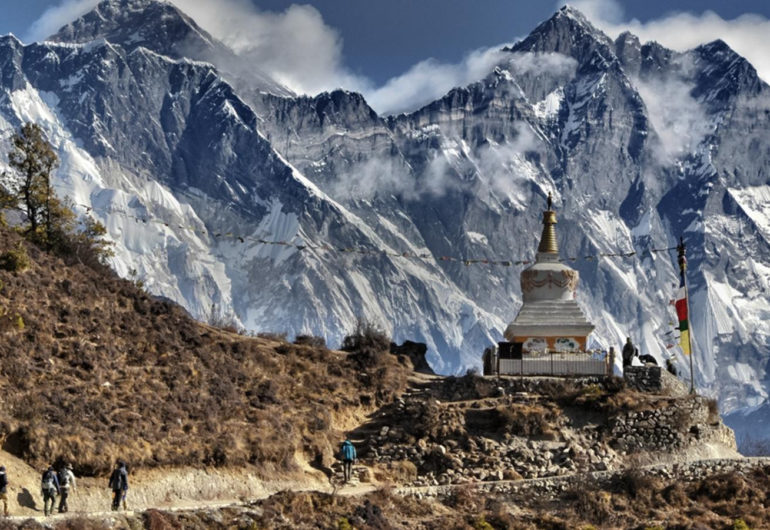
8. Cultural and Spiritual Encounters: Throughout your journey, you’ll encounter Tibetan Buddhist prayer flags, chortens (stupas), and monasteries. These offer a peaceful, spiritual atmosphere along the trail. In villages like Tarke Gyang, you can visit local Buddhist monasteries, where you may witness monks performing prayers or rituals.
9. Peace and Solitude: Unlike more popular trekking routes, the Helambu Trek is relatively less crowded, offering a sense of tranquility and solitude. The calm, remote environment allows you to connect with nature and enjoy the peacefulness of the mountains.
10. A Sense of Accomplishment: Reaching the highest point of the trek at Tharepati and then making your way back to Melamchi, you’ll experience a sense of accomplishment. The trek offers not only physical challenge but also a chance to disconnect from daily life, recharge, and return home with new experiences and memories.
Benefits of Helambu Treking With Us:
Expert Guides and Local Knowledge: When you trek with us, you’ll be guided by experienced, certified local guideswho know the Helambu region inside and out. They are not only skilled in navigating the trails but are also rich in cultural knowledge, offering insights into the local way of life, history, and traditions. Their expertise ensures your safety and enhances your experience as they share fascinating details about the environment and communities along the way.
2. Personalized Itinerary and Flexibility: We understand that every trekker’s needs are unique. Our itineraries are flexible and customizable, allowing you to adjust the trek according to your pace, preferences, and time constraints. Whether you’re looking for a quicker journey or prefer to take your time exploring the villages, we tailor your adventure to suit you.
3. Small Group Sizes for a More Intimate Experience: We prioritize small group sizes to ensure that you have an intimate, personalized trekking experience. This allows for better interaction with the guides, greater attention to each trekker’s needs, and a more peaceful, less crowded journey through the Helambu region.
4. High-Quality Gear and Safety Measures: We provide high-quality trekking gear, including sleeping bags, jackets, and trekking poles, to ensure your comfort throughout the journey. Our team is committed to your safety, and we take necessary precautions like altitude sickness monitoring, emergency evacuation plans, and first-aid training to ensure a smooth and secure trek.
5. Local and Sustainable Travel: When you trek with us, you support local communities. We work closely with local villages, ensuring that the benefits of tourism go directly to the communities you pass through. From hiring local guides and porters to purchasing food and supplies from local businesses, we prioritize sustainable tourism that preserves both the culture and environment of the Helambu region.
6. Comfortable Accommodations and Delicious Food: We ensure you stay in comfortable and clean tea houses and guesthouses, where you can enjoy local, freshly prepared meals. Our team has selected accommodation that meets our high standards of comfort, cleanliness, and hospitality, providing a homely atmosphere after a day’s trek.
7. Comprehensive Support: From the moment you arrive in Kathmandu to the time you leave, our team provides comprehensive support. We assist with obtaining trekking permits, arranging transportation, and providing you with all the necessary information before you embark on your adventure. We also ensure your group is well taken care of during the trek, providing assistance with any concerns that may arise.
8. Eco-Friendly Practices: We are dedicated to environmental sustainability. Our team follows eco-friendly practices throughout the trek, including minimizing waste, encouraging the use of reusable bottles, and respecting local customs and nature. We aim to minimize our environmental impact and preserve the natural beauty of the Helambu region.
9. Cultural Immersion and Local Interaction: Through our trek, you will get a deeper cultural immersion, not only through sightseeing but by engaging with the locals. Whether it’s sharing a cup of tea with a local family, visiting a monastery, or learning about traditional farming methods, you’ll get an authentic, personal experience of the region’s culture.
10. Stress-Free Planning and Professional Service: By booking your trek with us, you eliminate the hassle of planning. We handle all the logistics, from securing permits to arranging transportation and accommodations. Our professional and friendly staff ensure that your entire trekking experience is smooth, safe, and memorable, so you can focus on enjoying the journey rather than worrying about the details.
11. Cultural and Spiritual Enrichment: As you pass through Tibetan Buddhist villages and visit monasteries along the way, we’ll help you connect spiritually and culturally. You’ll have the opportunity to engage with monks and locals, learn about Buddhist practices, and explore beautiful chortens and prayer flags, enriching your journey beyond just physical trekking.
Is the Helambu Trek Suitable For You?
The Helambu Trek is a fantastic option for a wide range of trekkers, whether you’re a beginner, an experienced hiker, or someone looking for a moderate adventure. Here’s a breakdown of who would find this trek suitable:
1. Beginner Trekkers:
If you are new to trekking or looking for your first Himalayan adventure, the Helambu Trek is a great choice. The trek is moderate in difficulty, with gradual ascents and manageable daily distances. The route doesn’t reach extreme altitudes, meaning there’s a lower risk of altitude sickness compared to other high-altitude treks like Everest Base Camp or Annapurna Circuit. The max altitude of 3,600 meters (11,811 feet) at Tharepati is a comfortable height for most trekkers, making it accessible to beginners.
2. Families and Those with Children:
The relatively short duration and moderate difficulty level of the Helambu Trek make it an ideal trek for families or those traveling with children. The trek is not physically demanding, and the well-maintained trails through picturesque villages and lush forests offer plenty of opportunities to rest and enjoy the surroundings. Families can enjoy the trek while learning about the local culture and experiencing the beauty of the Himalayas without the stress of a more difficult trail.
3. Intermediate Trekkers:
For trekkers who have some experience in the mountains but aren’t looking for the intensity of longer, more challenging treks, the Helambu Trek offers a great balance. It combines moderate terrain with stunning views of the Langtang and Ganesh Himal ranges. The trek allows you to experience the beauty and culture of the Himalayan foothills while providing enough of a challenge to keep you engaged.
4. Trekking Enthusiasts Seeking a Peaceful Experience:
Unlike the more crowded trekking routes like Everest or Annapurna, the Helambu Trek is a quieter and less trafficked route. If you are looking for a peaceful and more secluded trekking experience without the hustle and bustle of larger trekking routes, Helambu offers the tranquility and solitude you might be seeking. You’ll encounter fewer tourists and have the chance to connect with nature and local communities in a more personal way.
5. Those Looking for a Cultural Experience:
The Helambu region is home to the Hyolmo people, an ethnic group with strong Tibetan influences. If you are interested in cultural immersion, the trek offers opportunities to visit traditional Tibetan Buddhist monasteries, interact with locals, and explore villages that have retained their unique cultural heritage. You’ll pass through areas rich in religious and cultural significance, giving you the chance to learn about local customs, lifestyles, and spiritual practices.
6. Travelers with Limited Time:
If you are short on time but still want to experience the beauty of the Himalayas, the Helambu Trek is a great option. The trek typically takes 6-9 days, which is shorter than many other treks in Nepal. This makes it a perfect choice for those who want to immerse themselves in the mountain experience without committing to a longer, more demanding trek.
7. Nature Lovers and Birdwatchers:
If you’re someone who loves spending time in nature and has an interest in wildlife and birdwatching, the Helambu Trek provides the perfect environment. The trail takes you through diverse ecosystems, from lush forests to alpine meadows, where you might spot various bird species, including pheasants, eagles, and other Himalayan wildlife such as Himalayan tahr and wild boar. The changing landscapes and natural beauty are a significant part of the trek’s charm.
8. Those Looking for a Moderate Challenge:
If you’re someone who enjoys outdoor activities and is in good physical condition but doesn’t want to take on a strenuous challenge, the Helambu Trek provides just the right level of difficulty. It involves some uphill and downhill walking but is not excessively taxing. The trail is designed for trekkers looking for a comfortable yet rewarding journey through the Himalayas.
9. Solo Travelers:
If you are traveling alone and prefer a quieter, less crowded route, Helambu is an ideal destination. The trek is relatively safe, with a well-marked trail, and the small, welcoming villages along the way provide ample opportunity to interact with locals. Solo trekkers can enjoy the solitude of the trail while still having the option to connect with other trekkers in the tea houses or on the trail.
How to Prepare for the Helambu Trek?
Preparing for the Helambu Trek is an exciting part of the journey and ensures that you have a safe, comfortable, and enjoyable experience. While it’s considered a moderate trek, proper preparation is still important. Here’s a detailed guide to help you get ready for your adventure:
1. Physical Preparation:
Start Training Early: Even though the Helambu Trek is moderate, it involves daily walking on uneven terrain at altitudes that can affect stamina. It’s a good idea to begin your physical training at least 4-6 weeks before your trek.Cardio Exercise: Focus on improving your cardiovascular fitness with activities like jogging, cycling, swimming, or hiking. Aim for at least 30 minutes of cardio, 3-4 times a week.
Strength Training: Incorporate strength training exercises targeting your legs, core, and upper body to build endurance for walking long distances and carrying a light daypack.
Hiking Practice: Try to do some local hikes, preferably on uneven terrain, to simulate the conditions of the trek and help your body adapt to uphill and downhill walking.
Altitude Acclimatization: Though the Helambu Trek does not involve extreme altitudes, the high altitude may still cause mild symptoms of altitude sickness. Try hiking at higher altitudes before your trek to help your body adjust.
2. Mental Preparation:
Understand the Terrain: While the trek is moderate, it still involves walking through forests, across streams, and on rocky paths. Mentally prepare yourself for daily hiking, some of which may be uphill.
Expect Some Challenges: There may be tough moments, such as steeper climbs or rainy weather, but remember the rewarding views and cultural experiences that await you. Staying positive and adaptable will make your trek much more enjoyable.
Mental Resilience: Long days of trekking can be mentally tiring. Stay motivated by remembering that it’s a rewarding journey that leads to breathtaking mountain views and a deeper cultural understanding of Nepal.
3. Packing for the Trek:
Proper gear is essential to ensure your comfort, safety, and readiness for the trek. Here’s a packing checklist to guide you:
Clothing:
Trekking Boots: Comfortable, sturdy, waterproof boots with good ankle support are essential for the uneven, sometimes slippery terrain.
Clothing for Layering: The weather can vary, so bring moisture-wicking layers that can be added or removed as needed:Base Layer (top and bottom) for moisture-wicking.
Mid-layer (fleece or down jacket) for warmth.
Outer Layer (windproof and waterproof jacket and pants) to protect against rain or wind.
Trekking Pants and Shorts: Light, quick-dry pants and shorts for comfort.
Hats and Gloves: A sunhat for daytime and a warm hat and gloves for the colder evenings, especially at higher altitudes.
Socks: Several pairs of moisture-wicking trekking socks (avoid cotton).
Sun Protection: Sunglasses, sunscreen, and lip balm to protect from the sun at higher altitudes.
Gear:
Backpack: A comfortable daypack (20-30 liters) to carry essentials during the day. A larger duffel bag (if you’re using a porter) will be carried by the porter, but make sure your daypack is lightweight.
Water Bottle/Water Purification: A reusable water bottle (preferably 1-2 liters), along with purification tablets or a water filter to ensure safe drinking water.
Sleeping Bag: A 3-season sleeping bag (comfort rating around 0°C to -5°C) for staying warm in higher altitudes.
Trekking Poles: Optional but helpful for stability, especially on downhill sections.
Headlamp: A small headlamp with extra batteries for evening use.
First Aid Kit: Personal medications, bandages, blister treatment, pain relievers, and any other medical needs.
Toiletries: Biodegradable soap, wet wipes, hand sanitizer, and a toothbrush.
Snacks: Energy bars, nuts, or chocolate for a quick energy boost during your trek.
4. Health and Safety Preparation:
Vaccinations: Check with your doctor to ensure your routine vaccinations are up to date. You may also want to consider vaccines for Hepatitis A, Hepatitis B, Typhoid, and Rabies (depending on your health history and travel plans).
Travel Insurance: Ensure you have comprehensive travel insurance that covers trekking in Nepal, including emergency evacuation and medical treatment.
Altitude Sickness Awareness: While the maximum altitude on the Helambu Trek is moderate (3,600 meters at Tharepati), altitude sickness can still be a concern. Drink plenty of water, eat regularly, and ascend slowly to minimize risks. If you feel symptoms of altitude sickness, like dizziness or nausea, it’s important to rest, hydrate, and descend if necessary.
Medical Check-up: If you have any pre-existing medical conditions, check with your doctor to ensure you’re physically fit for trekking. Also, ask about altitude-related risks and how to manage them.
5. Permits and Documentation:
TIMS (Trekkers’ Information Management System) Card: A mandatory trekking permit for all trekkers in Nepal. It helps with the safety of trekkers and is checked at various points on the trail.
Langtang National Park Permit: Since the Helambu Trek is in the Langtang region, you’ll also need a permit for the Langtang National Park.
Passport and Copies: Keep your passport, visa, and copies of these documents in a secure place. It’s also a good idea to carry photocopies of important documents in case of loss or theft.
6. Local Currency and Budgeting:
Nepali Rupees: Make sure to carry some local currency (Nepali Rupees) for expenses in the villages along the trek, such as food and small purchases. ATM access may be limited along the trail, so plan accordingly.
Budget for Tea Houses: Tea houses are the main form of accommodation and food along the Helambu Trek. Budget for meals and lodging in the guesthouses. Food is generally affordable, but prices may increase at higher altitudes.
7. Mental Readiness and Expectations:
Be Ready for Changeable Weather: The weather can be unpredictable, so be prepared for hot days, chilly evenings, and the possibility of rain. Keeping a positive mindset and a flexible attitude will help you make the most of your trekking experience.
Respect Local Customs: The Helambu region is home to the Hyolmo people, a Tibetan-influenced group. Be respectful of local customs and traditions. Remember to ask before taking photos of people or their homes and always be kind and respectful in interactions with locals.
Helambu Trek Helambu Trek Helambu Trek Helambu Trek Helambu Trek Helambu Trek Helambu Trek Helambu Trek Helambu Trek Helambu Trek Helambu Trek Helambu Trek Helambu Trek Helambu Trek Helambu Trek Helambu Trek Helambu Trek Helambu Trek Helambu Trek Helambu Trek Helambu Trek Helambu Trek Helambu Trek Helambu Trek Helambu Trek Helambu Trek Helambu Trek Helambu Trek Helambu Trek Helambu Trek Helambu Trek Helambu Trek Helambu Trek Helambu Trek
Highlights
- Scenic Views of the Himalayas: Enjoy breathtaking panoramic views of snow-capped peaks like Langtang Himal, Ganesh Himal, and Manaslu from higher altitudes, especially at Tharepati.
- Cultural Immersion: Trek through villages inhabited by the Hyolmo people, offering a unique opportunity to experience Tibetan-influenced culture. Visit Buddhist monasteries, chortens, and prayer flags, gaining insight into the region’s spiritual life.
- Diverse Landscapes: Traverse lush forests of rhododendron, oak, and pine, with vibrant colors in spring. Experience beautiful terraced fields and alpine meadows, offering picturesque surroundings along the way.
- Serenity and Peaceful Trails: A quieter, less crowded trek compared to other famous routes like Everest or Annapurna, making it ideal for those seeking peace and solitude. Spend time surrounded by nature’s tranquility, with fewer tourists and an opportunity for personal reflection.
- Wildlife and Birdwatching: Spot various wildlife like Himalayan tahr, wild boar, and numerous bird species including pheasants and eagles.
- Warm Local Hospitality: Stay in comfortable tea houses along the route, where you can enjoy delicious local meals like dal bhat and momo, while experiencing the hospitality of the local communities.
- Moderate Difficulty: A moderate trek that is suitable for beginners, families, and trekkers looking for a less strenuous Himalayan experience. Gradual ascents and descents make the trek manageable, even for those new to high-altitude trekking.
- Beautiful Villages and Local Life: Explore traditional villages like Chisapani, Kutumsang, and Tarke Gyang, where you’ll see local life up close and experience the warmth of the local people.


