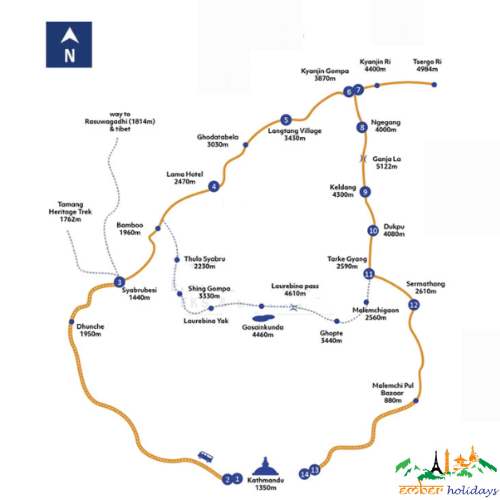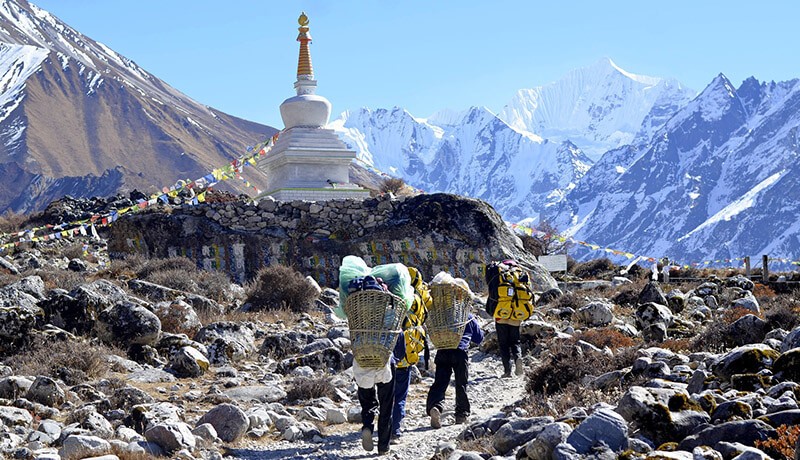
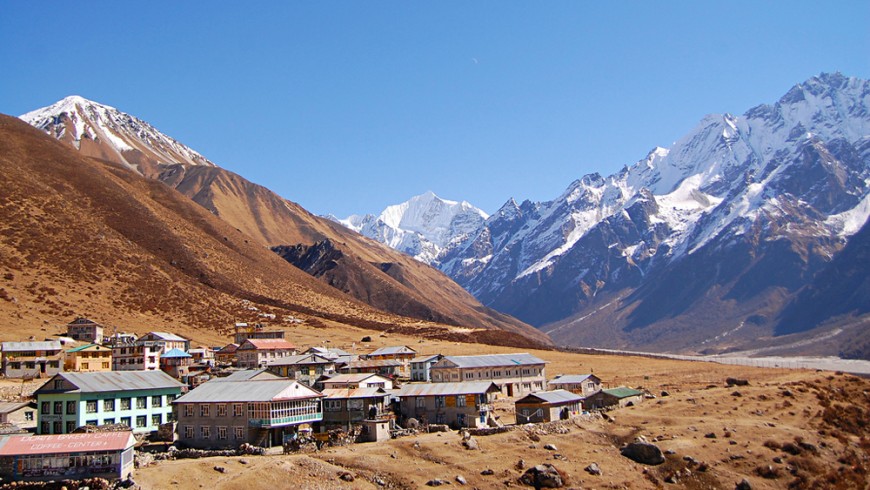
The Langtang and Ganja La Pass Trek is one of Nepal’s most rewarding yet challenging treks, blending natural beauty, cultural experiences, and high-altitude adventure. The trek begins at Syabrubesi, a small village that serves as the gateway to the Langtang region. From there, the trail takes you through lush subtropical forests of oak, rhododendron, and pine, where you can spot wildlife like monkeys and deer, as well as enjoy the stunning views of the Langtang peaks. As you move deeper into the Langtang Valley, the scenery becomes more dramatic, with towering snow-capped peaks, alpine meadows, and glacial rivers. The villages along the way, such as Thulo Syabru and Kyanjin Gompa, offer a rich insight into the Tibetan Buddhist culture, with monasteries and prayer flags adorning the landscape.
The trek reaches its peak at Ganja La Pass at an altitude of 5,130 meters, one of the most thrilling and challenging sections of the trek. The crossing of the pass requires trekkers to be physically prepared for long, steep ascents and unpredictable weather conditions, often with snow and ice, especially during the winter and early spring months. The pass is notorious for its difficulty, but those who complete it are rewarded with panoramic views of some of Nepal’s highest peaks, including Langtang Lirung, Ganesh Himal, Jugal Himal, and even glimpses of the Everest Range on clear days.
After the challenging pass, the trail descends into the Helambu Valley, offering a gentler, less strenuous experience as you pass through small villages like Tarke Gyang and Shermathang, where you can interact with local people, mostly belonging to the Sherpa and Hyolmo communities. The trek’s combination of cultural immersion, stunning high-altitude landscapes, and the excitement of crossing a challenging pass makes it a memorable experience for seasoned trekkers.
Because of the difficulty level, the Langtang and Ganja La Pass Trek is not suitable for beginners, and it requires a good level of fitness and preparation. Altitude sickness is also a consideration, so acclimatization is essential, and trekkers are encouraged to take their time ascending and rest in designated spots along the way. Additionally, this trek is less crowded than some of Nepal’s other popular routes, allowing for a more tranquil and off-the-beaten-path experience. Overall, it’s a fantastic adventure for those looking to combine cultural discovery with physical challenge amidst some of the most stunning mountain landscapes on Earth.
What to Expect on Your Journey to Langtang and Ganja La Pass:
- Scenic Beauty and Diverse Landscapes:
- Expect to be surrounded by some of the most spectacular landscapes Nepal has to offer. The journey begins with lush subtropical forests of rhododendron, oak, and pine, which later give way to alpine meadows and glacier-fed rivers. As you ascend, you’ll witness dramatic changes in the scenery, from dense forests to open, high-altitude pastures dotted with yak herders.
- Challenging Terrain:
- The trek to Ganja La Pass (5,130 meters) is not for the faint of heart. Expect steep, rocky ascents and sometimes difficult, narrow paths, particularly as you approach the pass. The trail can be icy and snowy, especially in winter and early spring, making it important to be well-prepared for the tough conditions and altitude.
- High-Altitude Adventure:
- As you climb higher, you’ll cross Langtang Glacier and be surrounded by towering peaks like Langtang Lirung, Ganesh Himal, and Manaslu. The climb to Ganja La Pass is a physically demanding part of the trek, requiring stamina and mental toughness. However, once you conquer the pass, you’ll be rewarded with breathtaking 360-degree views of some of Nepal’s highest mountains.
- Cultural Encounters:
- Along the way, you’ll pass through Tibetan-influenced villages where you can experience the local Sherpaand Hyolmo cultures. Villages like Thulo Syabru and Kyanjin Gompa offer opportunities to interact with friendly locals, visit Buddhist monasteries, and learn about traditional farming practices and spiritual beliefs. The hospitality of the mountain communities adds a warm, personal touch to your journey.
- Wildlife and Nature:
- The Langtang region is home to a diverse range of wildlife. Expect to encounter Himalayan tahr, red pandas, langur monkeys, and various bird species like pheasants and eagles. The surrounding forests are rich in flora, including medicinal herbs and vibrant wildflowers in spring.
- Altitude and Acclimatization:
- As the trek involves high-altitude travel, expect to take some rest days for acclimatization to avoid altitude sickness. The trek provides several opportunities for gradual ascent, which helps with proper acclimatization, ensuring you can safely cross Ganja La Pass and enjoy the stunning views.
- Unpredictable Weather:
- The weather in the Langtang region can be unpredictable, especially as you approach the pass. Expect to experience varying temperatures, from warm days at lower altitudes to cold, windy conditions at higher elevations. Rain is possible in the lower regions, while snow is a common occurrence in the higher areas. Be prepared for rapid changes and bring appropriate clothing layers to adjust to the conditions.
- Isolation and Peacefulness:
- Unlike more popular trekking routes in Nepal, the Langtang and Ganja La Pass Trek is relatively less crowded. Expect a sense of solitude and tranquility, with fewer trekkers on the trail. This allows for a more peaceful, intimate experience with nature and the local communities.
- Panoramic Views:
- One of the most memorable aspects of this trek is the stunning mountain views. From the Langtang Lirungmassif to the majestic Ganesh Himal, and distant views of Everest on clear days, you’ll be constantly surrounded by breathtaking vistas, making each step more rewarding than the last.
Benefits of Langtang and Ganja La Pass Treking With Us:
Experienced Guides and Local Knowledge:
- Our experienced English-speaking guides are not only skilled in navigation but also deeply familiar with the region’s culture, wildlife, and history. They provide valuable insights into the local Sherpa and Hyolmo cultures, Buddhist traditions, and the stunning natural beauty of the Langtang Valley. Their local knowledge ensures a safer and more enriching experience.
Personalized Itinerary and Flexibility:
- We offer customized itineraries that cater to your pace and preferences, whether you’re looking for a more relaxed journey or want to push yourself to challenge the Ganja La Pass. Flexibility is key to ensuring that your experience is both enjoyable and safe, with opportunities for acclimatization and rest days.
Safety First:
- We prioritize safety above all else. Our team is well-trained in first aid and emergency response. We carry first aid kits, satellite phones for communication in emergencies, and oxygen cylinders if necessary. We also ensure that your acclimatization process is gradual to minimize the risks of altitude sickness.
Comfortable and Reliable Accommodation:
- Throughout the trek, we provide comfortable tea house accommodation with cozy rooms and hearty meals. Our team has selected the best available lodges that provide a warm welcome and safe resting spots to relax after a day of trekking. Meals are prepared by local chefs using fresh, locally sourced ingredients.
Expert Logistics and Support:
- We take care of all the logistical arrangements, including permits, transportation, and accommodation bookings. Our experienced staff handles the Langtang National Park permits and TIMS card acquisition, so you can focus solely on your trek. We also provide porters who can help carry your luggage, making the trek more comfortable and enjoyable.
Small Group or Private Treks:
- Whether you prefer to join a small group trek or prefer the privacy of a solo adventure with a guide, we offer both options. Our group treks are designed to maintain a personalized experience, while private treks allow for complete flexibility and individual attention from your guide.
Cultural and Scenic Immersion:
- Beyond just trekking, you’ll be immersed in the local culture as you pass through villages like Thulo Syabru, Kyanjin Gompa, and Tarke Gyang. We encourage cultural exchange, with opportunities to visit monasteries, interact with locals, and learn about their traditional ways of life. The scenic beauty of Langtang Lirung, Ganesh Himal, and the challenging Ganja La Pass will leave you in awe.
Sustainable and Responsible Trekking:
- We are committed to responsible trekking that minimizes our environmental impact. We prioritize eco-friendly practices, encourage waste management, and promote the use of sustainable resources. By trekking with us, you are contributing to the well-being of the local communities and the preservation of this pristine region.
Comprehensive Travel Support:
- Our service includes complete travel support, from airport pick-up and drop-off to guiding you through Kathmandu’s landmarks before and after the trek. Whether it’s arranging a city tour or offering assistance with any pre- or post-trek activities, we ensure that you have a seamless travel experience.
Memorable and Stress-Free Experience:
- With our well-organized approach and attention to detail, we ensure that your trek is both memorable and stress-free. From the moment you arrive to the time you leave, we are here to ensure that you enjoy every moment of your adventure without worrying about the logistics or unforeseen obstacles.
Is the Langtang and Ganja La Pass Trek Suitable For You?
The Langtang and Ganja La Pass Trek is an incredible adventure that offers spectacular views, cultural experiences, and physical challenges. However, it’s important to consider whether this trek aligns with your fitness level, trekking experience, and expectations. Here’s what you should keep in mind:
- Physical Fitness:
- Moderate to High Fitness Level: This trek requires a good level of fitness as it involves long days of walking on challenging terrain, steep ascents, and high-altitude passages. The Ganja La Pass itself is a significant challenge due to its elevation (5,130 meters/16,827 feet), which means the trek is suited for those who are comfortable walking for 6-8 hours a day on uneven paths.
- Preparation: If you are not already accustomed to trekking at higher altitudes, it’s important to train and build stamina prior to embarking on the journey. Regular hiking, cardio exercises, and strength training can help prepare your body for the physical demands of this trek.
- Altitude Experience:
- Acclimatization Required: The highest point of the trek, Ganja La Pass, is at an altitude of over 5,000 meters. Therefore, it’s crucial to have some prior experience in trekking at high altitudes or be prepared for slow acclimatization. You will need to listen to your body and take the necessary rest days to avoid altitude sickness.
- Altitude Sickness Awareness: If you have had issues with altitude sickness in the past, it might be worth considering a different trek or speaking with a doctor before committing to this challenging journey. Acclimatization is key, and our team will ensure that you take necessary precautions to stay healthy.
- Trekking Experience:
- Intermediate to Experienced Trekkers: The Langtang and Ganja La Pass Trek is ideal for those who have some experience with multi-day treks in mountainous areas, particularly those with previous experience at higher altitudes. While not as technical as some other Himalayan treks, the challenging terrain and weather conditions make it best suited for intermediate trekkers or experienced hikers.
- Beginners May Find it Tough: If you are new to trekking or have limited experience in the mountains, this trek may prove to be physically demanding. If you’re new to trekking, we recommend starting with a less strenuous trek to build your endurance before attempting the Langtang and Ganja La Pass Trek.
- Comfort with Remote Areas:
- Self-sufficiency and Adventure: The Langtang and Ganja La Pass trek takes you through remote and less-visited areas. While the trail passes through charming villages, amenities like medical facilities and advanced communications are limited. If you enjoy the idea of trekking in remote areas, where you will experience a deeper connection to nature and culture, this trek will be perfect for you.
- Embracing Adventure: If you’re someone who embraces adventure, enjoys the challenge of overcoming difficult paths, and is comfortable in remote settings, the Langtang and Ganja La Pass Trek will reward you with an unforgettable journey.
- Weather and Conditions:
- Unpredictable Weather: The trek can be challenging due to unpredictable weather conditions. The temperatures can vary significantly, ranging from warm at lower altitudes to freezing cold at higher elevations. You must be prepared for possible rain or snow at higher altitudes, especially during the winter and early spring months. If you’re comfortable with changing weather conditions and have the right gear, you’ll enjoy the trek much more.
- Cultural and Spiritual Engagement:
- Cultural Immersion: If you’re keen on immersing yourself in local culture, the Langtang and Ganja La Pass Trek offers the opportunity to experience Tibetan-influenced communities, visit ancient monasteries, and interact with local villagers who practice traditional Buddhist customs. If cultural exploration is important to you, this trek provides a rich and authentic experience.
How to Prepare for the Langtang and Ganja La Pass Trek?
Preparing for the Langtang and Ganja La Pass Trek is essential to ensure that you have a safe, enjoyable, and successful journey. Given the challenging nature of the trek, including high-altitude conditions, steep terrain, and the technical demands of crossing the Ganja La Pass, adequate preparation is crucial. Here’s a comprehensive guide on how to prepare for this adventure:
1. Physical Preparation:
- Build Your Stamina:
- Endurance Training: Start with cardio exercises such as hiking, running, and cycling to build your stamina. The trek will involve long days of walking, sometimes up to 8 hours, so endurance is key.
- Strength Training: Focus on strengthening your legs (quads, calves, hamstrings) and core to handle the steep ascents and descents, especially while crossing the Ganja La Pass.
- Trekking Practice: If possible, practice hiking in hilly or mountainous areas. Getting used to uneven terrain will help you feel more comfortable on the actual trek.
- Test Your Gear:
- Make sure your trekking boots and gear are broken in before the trek. Spending hours on the trail in new boots can cause blisters and discomfort, so wear them on shorter hikes to ensure they fit well.
- Prepare for High Altitudes:
- Altitude Acclimatization: The highest point of the trek, Ganja La Pass, reaches over 5,000 meters (16,400 feet), so it’s vital to train your body to cope with reduced oxygen levels. Altitude sickness is a real concern, so it’s essential to take acclimatization seriously. You can prepare by hiking to higher altitudes or by using techniques like sleeping at higher elevations to condition your body.
- Know Your Limits:
- Ensure that you are prepared to handle the physical and mental challenges of trekking at high altitudes, such as fatigue, shortness of breath, and occasional discomfort due to the thinner air.
2. Mental Preparation:
- Prepare for the Challenge:
- The Ganja La Pass is a physically demanding section of the trek, so mentally preparing for the challenges of long ascents, high-altitude conditions, and unpredictable weather is important. You should expect to be outside your comfort zone, but the sense of accomplishment upon reaching the pass will make it all worthwhile.
- Stay Positive and Flexible:
- Keep in mind that trekking in the Himalayas can be unpredictable, with potential weather delays or changes in the itinerary. Stay flexible and positive, and be ready to adapt to the conditions.
3. Gear and Equipment:
- Essential Gear:
- Trekking Boots: Waterproof, sturdy, and well-fitted hiking boots are a must. They’ll protect your feet and provide support for long hikes on rough terrain.
- Backpack: A comfortable daypack for carrying essentials like water, snacks, and layers is important. A larger trekking backpack (40-50L) for your personal belongings will be necessary if you’re hiring a porter.
- Clothing Layers: The weather can change dramatically on the trek, so be sure to pack clothing that can be easily layered:
- Base layers (thermal tops and bottoms) for warmth.
- Mid-layers like fleece or down jackets for insulation.
- Waterproof outer layer (rain jacket and pants).
- Lightweight, breathable clothing for warmer days.
- Sleeping Bag: A four-season sleeping bag is recommended for colder nights at higher altitudes, particularly around the Ganja La Pass.
- Other Important Items:
- Water Bottle and Purification Tablets or a water filter to stay hydrated.
- Sunscreen (SPF 30+), lip balm, and sunglasses for protection from the strong sun at high altitudes.
- Headlamp/Flashlight with extra batteries.
- Trekking Poles to help with stability during steep ascents and descents.
- Personal first aid kit, medications, and hand sanitizer.
- Snacks (energy bars, nuts, or dried fruits) for quick energy during the trek.
4. Health Considerations:
- Consult Your Doctor:
- Health Check: Visit your doctor for a pre-trek health check-up. Discuss any pre-existing conditions, and ensure you have the necessary vaccinations (like hepatitis, typhoid, and tetanus) before traveling.
- Altitude Sickness Medication: Ask your doctor about medications like Diamox for altitude sickness, and be sure to carry any prescription medicines you need.
- Physical Condition: If you have any pre-existing health conditions (heart disease, high blood pressure, etc.), consult with your doctor to ensure that the trek will be safe for you.
- Travel Insurance:
- Ensure your travel insurance covers high-altitude trekking, emergency evacuation, and potential medical treatment in case of accidents or illness.
5. Permits and Paperwork:
- Permits Required:
- The Langtang region is within the Langtang National Park, so you’ll need the Langtang National Park permit and a TIMS card (Trekkers’ Information Management System).
- These permits can be arranged through a licensed trekking agency, so if you are trekking with a guide, they will handle this for you.
- Visa for Nepal:
- Make sure you have the appropriate Nepal visa for your stay. Visas are available on arrival at the airport in Kathmandu or can be arranged in advance.
6. Food and Hydration:
- Meals During the Trek:
- The trek will feature traditional Nepali food, including dal bhat (lentils and rice), momos (dumplings), noodles, and fried rice. You can also expect some Western food options at higher elevations. Be sure to drink plenty of water and carry purification tablets or a water filter.
- Stay Hydrated:
- Hydration is crucial at high altitudes. Carry a reusable water bottle and use purification tablets or filters to ensure you’re drinking clean water throughout the trek.
7. Hiring a Guide and Porter:
- Guide: Hiring an experienced guide who is familiar with the Langtang region and its challenging terrain is highly recommended. A guide will ensure your safety, assist with navigation, and offer valuable insight into the local culture.
- Porter: If you prefer not to carry heavy luggage, hiring a porter can lighten your load. They will carry your larger bags, allowing you to enjoy the trek with less weight on your back.
8. Mental Preparation for the Trek:
- Patience and Flexibility: The trek will take you through remote areas, and conditions may not always be ideal. There may be long days, tough ascents, and the possibility of delays due to weather. Keeping a positive attitude and being flexible will enhance your experience.