
Table of Contents
📍 Introduction:
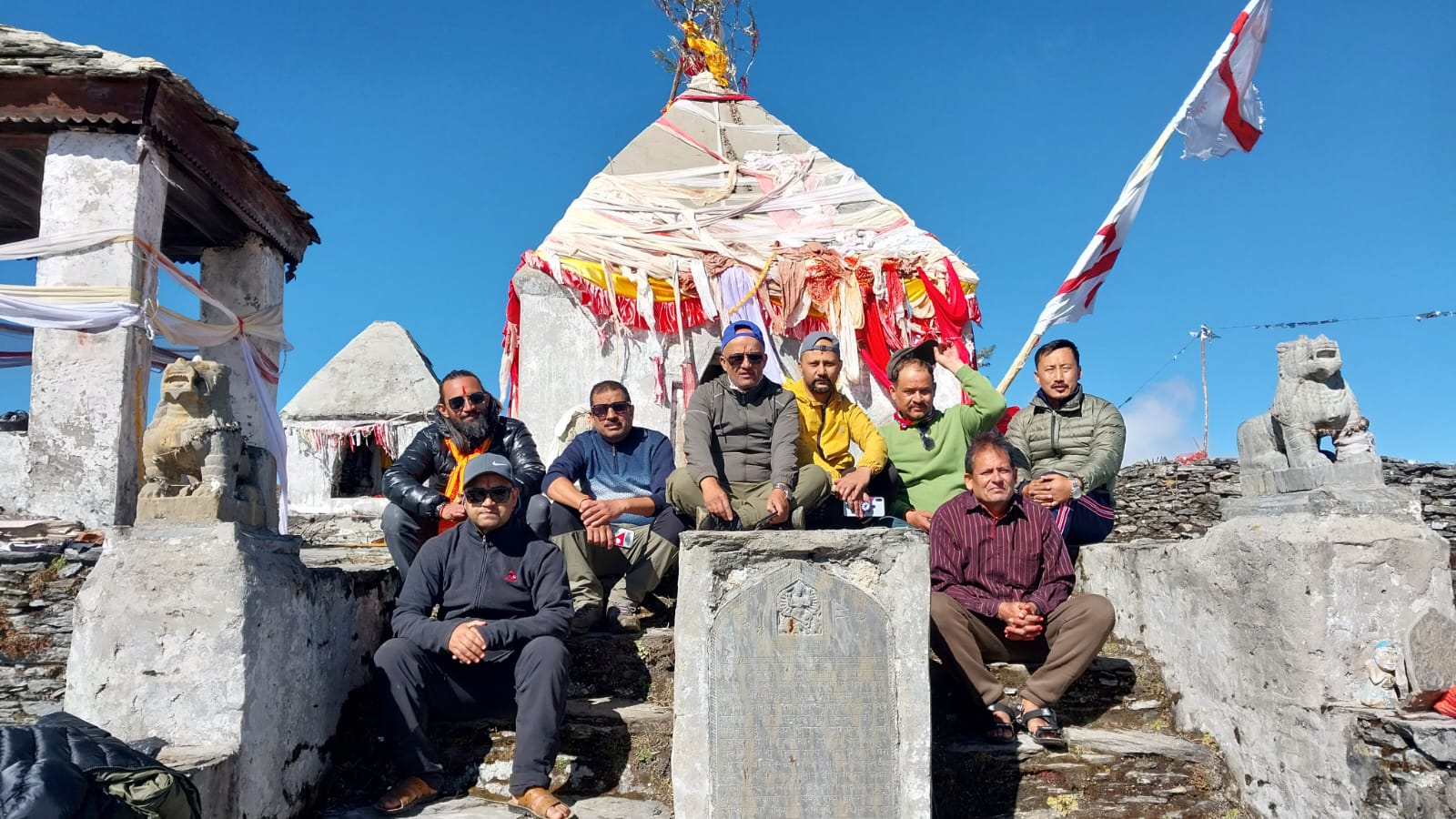
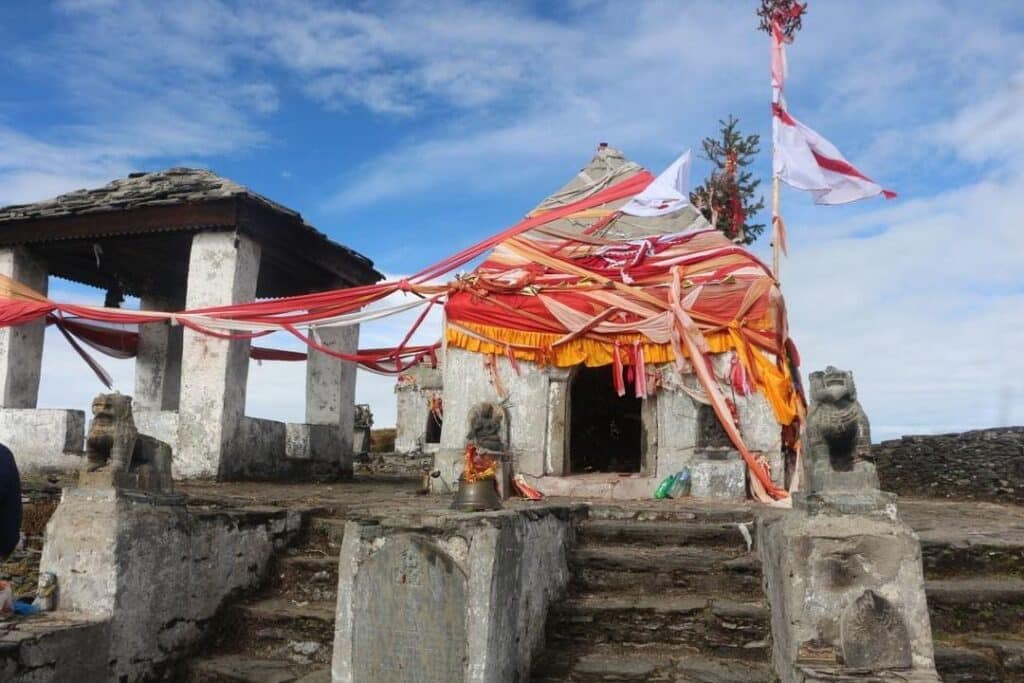
Badimalika Darshan 2025 is a sacred pilgrimage to one of Nepal’s most revered temples located in the remote highlands of Bajura District, Sudurpashchim Province. Nestled at an altitude of approximately 4,200 meters (13,800 ft), Badimalika Temple is dedicated to Goddess Malika, a powerful manifestation of Devi Durga, and is considered one of the important Shaktipeeths in Nepal.
The legend of Badimalika Darshan 2025 is deeply rooted in Hindu mythology. It is believed that the head of Sati Devi—the first wife of Lord Shiva—fell in this region after Lord Vishnu scattered her body parts to calm a grieving Shiva. This sacred site draws thousands of devotees every year, especially during the Shravan/Bhadra months (July–August), coinciding with the annual Badimalika Festival and Janai Purnima (Raksha Bandhan).
Though spiritually significant, reaching Badimalika Temple is a challenging journey. Pilgrims must trek through rugged terrain, lush alpine meadows, dense forests, and traditional villages of far-western Nepal. This pilgrimage’s physical demands add to its spiritual rewards, as devotees believe that completing the trek and receiving blessings from Goddess Malika brings protection, prosperity, and inner peace.
Beyond its religious importance, Badimalika Darshan is also a hidden treasure for trekking and nature enthusiasts. The route offers stunning views of Mt. Api-Saipal, open pastures blossoming with wildflowers, and the untouched rural beauty of Nepal’s far west. The area’s rich biodiversity, culture, and mythological heritage offer travelers a deeply immersive experience.
Thanks to recent improvements in rural road access, air connectivity via Kolti Airport, and support from local tourism operators, the journey to Badimalika has become more accessible—while still preserving its raw and adventurous charm. Whether you are a devotee seeking spiritual fulfillment, a trekker looking for an off-the-beaten-path Himalayan trail, or a traveler eager to explore Nepal’s sacred landscapes, Badimalika Darshan 2025 promises a transformative and unforgettable experience.
This guide covers everything you need to know about Badimalika Darshan in 2025—including the best time to visit, how to get there, detailed itineraries, preparation tips, and spiritual insights to help you plan your journey.
📅 Best Time to Visit Badimalika in 2025
Main Festival (Pilgrimage):
The annual Badimalika Festival falls around August 8–10, 2025, based on the full moon of Bhadra/Shravan. This is the most auspicious time for devotees to visit, as thousands gather to offer prayers and participate in the vibrant cultural and religious celebrations. If you want to experience the spiritual energy and local traditions at their peak, plan your visit during these dates.
Best Trekking Season:
- Mid-April to Mid-September: This period covers the festival season and offers favorable weather for trekking, with lush green landscapes and blossoming flora.
- April–May & September–October: These months are ideal if you prefer a less crowded trek with clear skies, pleasant temperatures, and spectacular mountain views. This is perfect for travelers seeking solitude and nature’s beauty without the festival crowds.
🌄 Badimalika Darshan 2025 Highlights – Key Points
• Badimalika Darshan 2025 is a sacred pilgrimage attracting thousands every year.
• Badimalika Darshan 2025 centers around visiting the revered Badimalika Temple.
• Badimalika Darshan 2025 combines spirituality with an adventurous trekking experience.
• Badimalika Darshan 2025 takes place in the remote Bajura district of Nepal’s Sudurpashchim Province.
• Badimalika Darshan 2025 offers pilgrims a chance to witness unique cultural rituals.
• Badimalika Darshan 2025 occurs during the Shravan and Bhadra months (July–August).
• Badimalika Darshan 2025 provides breathtaking views of Mt. Api and Mt. Saipal.
• Badimalika Darshan 2025 involves trekking through pristine alpine meadows and forests.
• Badimalika Darshan 2025 is ideal for those seeking a spiritual and physical challenge.
• Badimalika Darshan 2025 connects travelers with traditional far-western Nepalese communities.
• Badimalika Darshan 2025 offers a less crowded alternative to mainstream pilgrimage sites.
• Badimalika Darshan 2025 includes participation in the Janai Purnima festival rituals.
• Badimalika Darshan 2025 showcases rich biodiversity and natural beauty.
• Badimalika Darshan 2025 requires proper preparation and physical fitness.
• Badimalika Darshan 2025 gives an opportunity to explore remote villages and their customs.
• Badimalika Darshan 2025 supports sustainable tourism in Nepal’s far west.
• Badimalika Darshan 2025 combines camping and teahouse accommodations.
• Badimalika Darshan 2025 features stunning sunrises and sunsets over the Himalayas.
• Badimalika Darshan 2025 is accessible via domestic flights and jeep rides followed by trekking.
• Badimalika Darshan 2025 involves crossing rugged terrains and high mountain passes.
• Badimalika Darshan 2025 is a pilgrimage linked to Hindu mythology, where Sati Devi’s head is said to have fallen.
• Badimalika Darshan 2025 offers a transformative spiritual experience for devotees.
• Badimalika Darshan 2025 is best visited between mid-April and September for the festival season.
• Badimalika Darshan 2025 allows trekking enthusiasts to explore unexplored trails.
• Badimalika Darshan 2025 provides an immersive cultural experience with local hospitality.
• Badimalika Darshan 2025 includes opportunities to photograph unique landscapes and cultural moments.
• Badimalika Darshan 2025 encourages eco-friendly and responsible trekking practices.
• Badimalika Darshan 2025 ensures participants receive blessings at the sacred temple.
• Badimalika Darshan 2025 is perfect for those seeking peace, prosperity, and protection.
• Badimalika Darshan 2025 is a journey to one of Nepal’s most spiritual and remote destinations.
🌟 Amazing Badimalika Trek – A Spiritual & Scenic Adventure!
1. A Sacred Journey to Badimalika Temple
Located at an altitude of 4,200 meters, the Badimalika Temple is one of Nepal’s most revered spiritual sites. Pilgrims from all over Nepal come here, making the trek a perfect blend of rich cultural heritage and breathtaking mountain views—truly a spiritually enriching experience.
2. Stunning Landscapes and Scenic Views
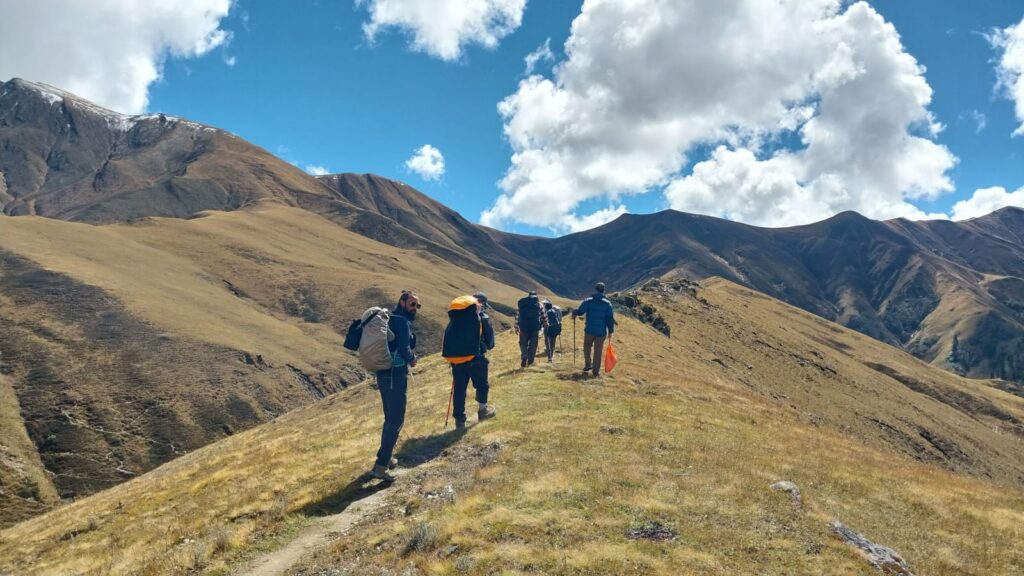
The trek leads you through lush forests, alpine meadows, and rugged mountain terrains. Along the way, you’ll be treated to panoramic views of majestic peaks like Api Himal and Nanda Devi that will leave you in awe.
3. Immersive Local Culture and Traditions
As you journey through remote villages, you will meet local communities, including Chhetri and Brahmin people. Their unique customs, traditional rituals, and warm hospitality add an unforgettable cultural layer to your adventure.
4. Spiritual Significance and Inner Peace
Badimalika Trek offers a deeply spiritual experience. Visiting the sacred temple and spending time in tranquil tribal villages provides moments of reflection, inner peace, and connection with nature.
5. Best Time to Visit
The ideal seasons for the trek are spring (March to May) and autumn (September to November), when the weather is clear, skies are bright, and trekking conditions are most favorable.
6. Challenges and Rewards
Although the trek is moderately challenging due to high altitudes and rough paths, the rewards are priceless. Each step brings you closer to untouched natural beauty and profound spiritual serenity.
7. Why You Should Experience It
Whether you are a passionate trekker or a spiritual seeker, the Badimalika Trek offers a unique opportunity to combine adventure with spirituality. It’s a journey that rejuvenates the body, mind, and soul.
Badimalika Trek Itinerary 2025
Day 1 & 2: Bus Journey from Kathmandu to Martadi
Departing at 10:30 AM from Gongabu Bus Park, Kathmandu, you will embark on an overnight bus journey through Nepal’s rugged western landscapes. The route offers scenic views of hills, rivers, and traditional villages, immersing you in the natural and cultural beauty of the region. After traveling through winding mountain roads, you will arrive in Martadi, Bajura District by approximately 7:00 PM the next day. Upon arrival, you’ll check into your hotel, rest, and prepare for the upcoming trek, meeting your guide and team.
Day 03: Martadi to Sotapatan (Trek Start)
After breakfast in Martadi, begin your uphill trek towards Sotapatan. Enjoy a packed lunch along the scenic trail as you steadily ascend through forests and traditional villages. The trek is approximately 9 hours of uphill walking, challenging but rewarding with beautiful natural surroundings. Reach Sotapatan by evening, where you will have dinner and overnight stay at a local teahouse or campsite.
Day 04: Sotapatan to Tribeni
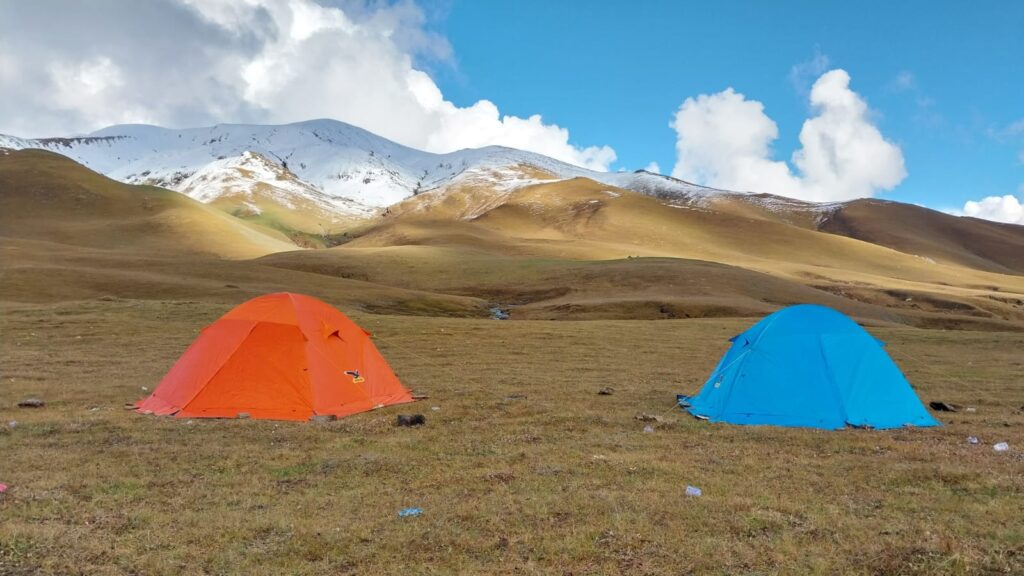
After an early breakfast at Sotapatan, you will begin your trek towards Tribeni. The journey will take approximately 6 to 7 hours and will lead you through some of the most stunning and untouched landscapes of the region. The trail gently ascends and descends as it winds through dense forests, open alpine meadows, and quaint villages that reflect the traditional lifestyle of the local people. You will pass through scenic spots like Ghodapatab, where you can pause to admire the panoramic mountain views and breathe in the fresh, crisp air. Continuing onward, the trail leads through Bhitichina and Budi Mai Patan, both known for their natural beauty and rich biodiversity. Along the way, you will stop for a refreshing lunch break amidst serene surroundings, allowing you to rest and recharge before completing the trek. By late afternoon, you will arrive in Tribeni, a peaceful village nestled in the lap of the Himalayas. Here, you will set up camp and spend the night under the stars, surrounded by the tranquil sounds of nature, making it a perfect end to an invigorating day of trekking.
Day 05: Explore Tribeni (3,800m)
Start your morning at the campsite with a delicious breakfast, breathing in the fresh, crisp mountain air and enjoying the breathtaking panoramic views of the surrounding Himalayan peaks. After breakfast, set out to visit Triveni Patan, a sacred confluence where three rivers meet, creating a peaceful and spiritual sanctuary nestled within the majestic landscape. This serene spot offers a perfect opportunity to reflect and soak in the natural beauty and spiritual energy of the region.
Following your visit, return to the campsite for a hearty and well-deserved lunch to refuel your body. The afternoon is yours to spend at leisure—whether you choose to explore nearby trails, capture stunning photographs of the dramatic scenery, immerse yourself in the tranquility of nature, or simply relax and enjoy the peaceful ambiance of the green grasslands that surround you.
As the sun sets and the air cools, make your way back to camp where you can unwind, share stories around the campfire, and prepare for the next day’s adventure. Rest peacefully under the vast Himalayan sky, enveloped by the serene stillness of this remote and pristine region.
Day 06: Tribeni to Badimalika Darshan and Trek to Bishnupani
Begin your day early with a nourishing breakfast at the Tribeni campsite, preparing for a spiritually significant and physically rewarding day ahead. From Tribeni, embark on a trek towards the revered Badimalika Temple, nestled high in the mountains at around 4,200 meters. This sacred site, dedicated to Goddess Malika, is a major pilgrimage destination and holds deep religious importance for devotees from across Nepal.
The trek to Badimalika involves traversing rugged mountain trails surrounded by breathtaking alpine landscapes, pristine forests, and panoramic views of the Himalayas. Upon reaching the temple, take time to participate in rituals, offer prayers, and soak in the serene spiritual atmosphere of this ancient Shaktipeeth.
After your Badimalika darshan, begin your descent towards Bishnupani, a tranquil spot known for its verdant meadows and spectacular mountain vistas. The trek to Bishnupani provides a refreshing change of scenery as you move from the sacred heights to lush grasslands, perfect for rest and rejuvenation. Upon arrival, enjoy a peaceful evening surrounded by nature, with dinner and overnight camping under the stars.
Day 07: Bishnupani to Nateshowri Temple
After enjoying a hearty breakfast amidst the serene environment of Bishnupani, begin your trek towards the sacred Nateshowri Temple, an important spiritual site nestled within the tranquil landscapes of the region. The trail takes you through lush forests, gently rolling hills, and traditional villages, offering stunning views of the surrounding mountains and valleys.
As you walk, immerse yourself in the peaceful ambiance of nature, listen to the sounds of birds and flowing streams, and experience the rich local culture of the rural communities you pass. The trek is moderately challenging but rewarding, with plenty of opportunities to capture breathtaking photographs along the way.
Upon arrival at Nateshowri Temple, take time to explore the site, offer prayers, and appreciate the spiritual significance of this sacred place. After soaking in the tranquility and blessings of the temple, settle in for the night with dinner and camping near the temple grounds, surrounded by the calmness of the Himalayas.
Day 08 & 09: Nateshowri to Kathmandu
After breakfast at the campsite near Nateshowri Temple, begin your journey back towards Martadi by trekking or local transport, depending on arrangements. Upon reaching Martadi, board an overnight bus to Kathmandu, enjoying the scenic drive through Nepal’s western landscapes.
Travel overnight on the bus and arrive in Kathmandu the following day between 4:00 to 5:00 PM. Upon arrival, you will be transferred to your hotel or final destination, concluding your memorable Badimalika trek and pilgrimage journey.
🧳 Travel Tips for Badimalika Darshan 2025
- Weather Conditions: The weather in Bajura can be highly unpredictable. Always check the latest forecasts before your journey and pack accordingly to be ready for sudden changes such as rain, cold winds, or fog.
- Road Safety: Roads in this region are often rough and challenging, especially during the monsoon season. Make sure your vehicle is well-maintained, drive cautiously, and carry essential supplies like water, snacks, and a first-aid kit.
- Local Guidance: Hiring a knowledgeable local guide or traveling with someone familiar with the terrain greatly enhances your safety and enriches your experience by offering cultural and natural insights.
- Permits: Don’t forget to obtain the required trekking permits before venturing beyond Martadi, particularly if your itinerary includes the Badimalika Temple area. Carry these permits at all times during your trek.
🏕️ Camping Equipment for Badimalika Trek
- Tent: Lightweight, waterproof, and durable tents suitable for high-altitude conditions
- Sleeping Bag: Insulated and rated for cold temperatures (preferably down or synthetic)
- Sleeping Mat: Inflatable or foam mats for comfort and insulation from the ground
- Camping Stove: Portable stove with fuel for cooking meals
- Cookware: Lightweight pots, pans, utensils, and a portable kettle
- Headlamp/Flashlight: With extra batteries for nighttime use
- Water Bottle/ Hydration System: Durable bottles or hydration packs to stay hydrated
- Backpack Rain Cover: To keep your gear dry in case of rain
- Multi-tool/Knife: Useful for various tasks around the campsite
- Trash Bags: For packing out all your waste and keeping the environment clean
- First Aid Kit: Basic supplies for minor injuries or ailments
- Personal Hygiene Kit: Biodegradable soap, toothbrush, towel, and other essentials
- Extra Clothing: Warm layers for nighttime and changes of dry clothes
⚠️ Avoid These Common Mistakes on the Badimalika Trek!
➤ Underestimating the Altitude
Many trekkers overlook the high elevation of Badimalika (4,200m), which can cause altitude sickness.
Solution: Acclimatize properly by ascending gradually and listen to your body.
➤ Skipping Proper Gear
Inadequate clothing and gear can make harsh weather unbearable.
Solution: Invest in quality trekking boots, warm layers, waterproof clothing, and a reliable sleeping bag.
➤ Not Checking the Weather
The weather in Badimalika can shift quickly, leading to unexpected rain or snow.
Solution: Always check updated forecasts and pack gear accordingly.
➤ Overpacking
Carrying too much weight slows you down and adds unnecessary strain.
Solution: Pack light with essentials, including extra layers, snacks, and a first aid kit.
➤ Ignoring Local Culture and Customs
Disrespecting local traditions may cause misunderstandings with the welcoming communities.
Solution: Be respectful, learn basic cultural norms, and interact politely.
➤ Not Hiring a Guide
Trekking alone in remote areas risks getting lost or missing important spots.
Solution: Hire a local guide to enhance safety and gain insightful knowledge.
➤ Failing to Stay Hydrated
Dehydration is common at high altitudes and can worsen fatigue.
Solution: Drink plenty of water throughout the trek; avoid excessive caffeine and alcohol.
➤ Not Taking Breaks
Pushing yourself too hard without rest can cause exhaustion and injury.
Solution: Schedule regular breaks to relax, hydrate, and enjoy the breathtaking views.
Contact Ember Holidays
Thamel, Kathmandu
www.emberholidays.com
9801107405 / 9762414670
info@emberholidays.com
Follow us on Instagram, Facebook & YouTube for more updates and stories from the trail.
badimalika