

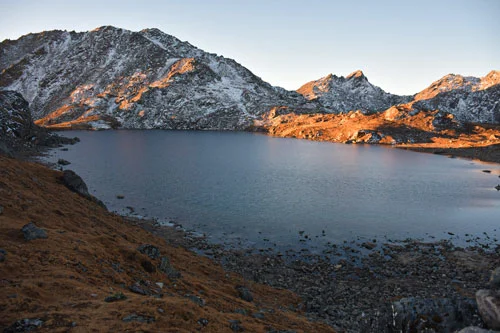
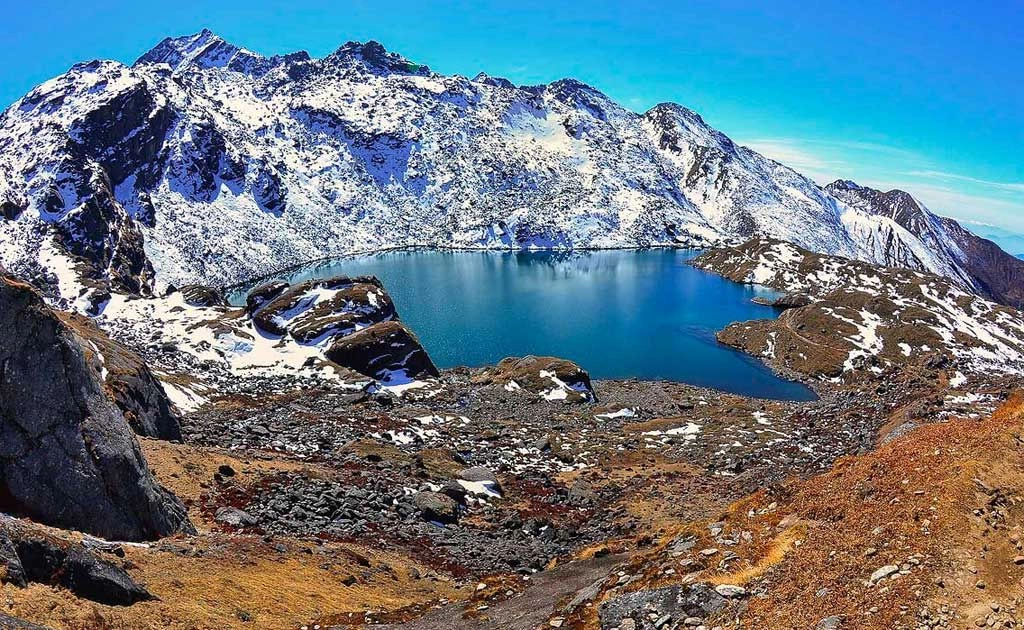
The Gosaikunda Pass Trek offers an unforgettable trekking experience, blending high-altitude adventure with stunning natural beauty and deep cultural significance. This trek is not just a physical challenge but also a journey through the spiritual heart of Nepal, as it leads to the sacred Gosaikunda Lake, a revered pilgrimage site for Hindus and Buddhists. The lake is surrounded by towering peaks, making it an incredibly picturesque destination, especially for those who seek tranquility and spirituality at high altitudes.
Beyond Gosaikunda, the trek pushes adventurers to Gosaikunda Pass, which stands at a challenging 4,610 meters. The pass provides an incredible sense of accomplishment, as it opens up breathtaking views of the Langtang Himal, Manaslu, Ganesh Himal, and numerous other peaks that define Nepal’s rugged beauty. The route takes trekkers through dense forests, wild rhododendron groves, and alpine meadows, offering the perfect opportunity for nature lovers and wildlife enthusiasts to experience the biodiversity of the region.
Culturally, the trek introduces trekkers to the Tamang people, who are known for their Tibetan Buddhist traditions. Passing through remote Tamang villages, you’ll encounter Buddhist monasteries, prayer flags fluttering in the wind, and peaceful rituals that have been part of daily life for centuries. These communities maintain a traditional way of life that offers trekkers a chance to experience Nepal’s rural mountain culture first-hand.
Despite its challenging nature, the Gosaikunda Pass Trek is one of the more remote and less crowded treks in Nepal, providing a more serene and authentic experience compared to other more popular trekking routes. Whether you’re an experienced trekker seeking a physically demanding adventure, a nature lover drawn to the spectacular views, or someone seeking spiritual fulfillment in Nepal’s Himalayan heartland, the Gosaikunda Pass Trek offers something for everyone
What to Expect on Your Journey to Gosaikunda Pass:
Breathtaking Scenery: From the moment you start your trek, you’ll be treated to stunning views of the Langtang Himal and surrounding peaks. As you gain elevation, the landscape transitions from lush forests to high-altitude meadows, offering sweeping views of the mountains and valleys. The scenery is ever-changing, with rhododendron forests, alpine lakes, and rugged terrain all coming together to create a truly captivating environment.
Sacred Gosaikunda Lake: One of the most spiritually enriching experiences of the trek is reaching Gosaikunda Lake. This sacred site is an important pilgrimage destination for Hindus and Buddhists, and the lake’s crystal-clear waters reflect the snow-capped peaks surrounding it. The trek provides an opportunity for contemplation and connection with nature and spirituality, especially during the annual full moon festival when thousands of pilgrims visit the lake.
High-altitude Challenge: The trek to Gosaikunda Pass is physically demanding, with long days of trekking and significant altitude gains. As you ascend to Gosaikunda Pass (4,610m), you’ll experience the challenges of high-altitude trekking, which can include shortness of breath, fatigue, and occasional headaches. The trek is designed with acclimatization days to help you adjust to the altitude, but you’ll still need to pace yourself and stay mindful of your body’s signals to avoid altitude sickness.
Panoramic Views from the Gosaikunda Pass: The highlight of the trek is reaching Gosaikunda Pass. From this vantage point, you’ll enjoy 360-degree views of towering peaks, including Langtang Lirung, Ganesh Himal, Manaslu, and other snow-capped giants of the Himalayas. It’s a moment of accomplishment and awe, offering one of the best panoramas in Nepal.
Cultural Encounters: Along the way, you’ll pass through Tamang villages, where you’ll be able to experience traditional Tibetan Buddhist culture. The people here follow a lifestyle rooted in ancient customs, and you’ll see monasteries, chortens, and prayer flags that represent the area’s spiritual importance. The warmth and hospitality of the Tamang people will enrich your journey, giving you a deeper connection to the culture of this mountainous region.
Wildlife and Flora: Trekking through Langtang National Park means you’ll have the chance to spot unique wildlife, including red pandas, Himalayan tahr, snow leopards, and a variety of bird species. The park’s biodiversity is complemented by a rich variety of flora, from dense forests of rhododendron and oak to alpine meadows adorned with wildflowers. The flora and fauna of the region are one of the major draws for nature enthusiasts.
Peaceful and Remote Trekking Experience: The Gosaikunda Pass Trek is a less crowded route, offering a more peaceful experience than some of Nepal’s other popular trekking destinations. The tranquil environment, especially at higher altitudes, allows you to immerse yourself in the serenity of the mountains and spend quality time in nature without the distractions of large crowds.
Challenging Weather Conditions: Weather conditions can be unpredictable in the mountains, especially at higher altitudes. Temperatures can drop significantly, and the weather can change rapidly. Be prepared for cold winds, especially near the pass and during the night. It’s essential to bring appropriate clothing, including warm layers, windproof jackets, and waterproof gear to protect yourself from the elements.
Spiritual Experience: As you make your way to Gosaikunda Lake and cross Gosaikunda Pass, the trek becomes a deeply spiritual journey. The sacred lake is not only a breathtaking sight but also a site of reverence for those who follow Hindu and Buddhist traditions. Many trekkers take this journey not only for the physical adventure but also to gain a sense of peace, reflection, and connection with nature and the divine.
Sense of Achievement: Completing the Gosaikunda Pass Trek is a major achievement. The trek combines physical endurance, mental strength, and cultural immersion, making it a rewarding journey for any trekker. The stunning mountain views, the sense of accomplishment after crossing the pass, and the chance to experience a truly special part of Nepal’s Himalayan region leave trekkers with memories that last a lifetime.
Gosaikunda pass trekBenefits of Gosaikunda Pass Treking With Us:
Expert Guidance and Support:
Our experienced and licensed guides are well-versed in the region’s geography, culture, and weather patterns. They’ll ensure your safety and help you navigate challenging terrain. Our porters will carry your heavy gear, allowing you to enjoy the trek with a lighter load. With our professional team, you can trek with confidence, knowing you have experts by your side.
Customized Itinerary:
We offer flexible and personalized itineraries to suit your pace, fitness level, and preferences. Whether you’re looking for a more relaxed trekking experience or a more challenging one, we can tailor the journey to match your needs. The itineraries are designed to allow for proper acclimatization, ensuring that you trek safely at high altitudes.
Comprehensive Trip Planning:
We take care of all logistics, from obtaining necessary permits (like the Langtang National Park Permit and TIMS card) to organizing transport and accommodation. This means you can focus on enjoying the trek without worrying about the details. Our team will make sure everything is arranged so your experience is smooth and hassle-free.
Safety First:
Trekking at high altitudes comes with inherent risks, which is why safety is our top priority. We monitor weather conditions, health status, and acclimatization carefully. We also ensure emergency evacuation plans are in place should the need arise. Our guides are trained in basic first aid, and we are prepared for any situation to ensure your well-being.
Local and Authentic Cultural Experiences:
Trekking with us means you get to experience the region’s rich culture firsthand. Our guides are knowledgeable about the Tamang communities, Buddhist monasteries, and local traditions, allowing you to engage with the people of the region and learn about their way of life. We will take you through the most culturally significant areas and help you understand the history and significance of Gosaikunda Lake and the Gosaikunda Pass.
High-Quality Accommodation and Meals:
We ensure that you stay in clean, comfortable teahouses and lodges that offer hot meals and basic amenities. The food provided is nutritious and catered to the needs of trekkers, with plenty of options to keep you fueled throughout your journey. We aim to offer both comfort and an authentic experience of staying in the mountains.
Small Group Experience:
Our treks are typically small group expeditions, which means you get a more personalized experience. You’ll have more opportunity for one-on-one time with your guide, a closer-knit group dynamic, and less crowded trekking paths. This leads to a more peaceful and enjoyable experience away from the hustle of larger, more commercialized treks.
Sustainable and Responsible Trekking:
We are committed to responsible tourism and work to minimize our environmental footprint. Our team is dedicated to preserving the natural beauty of the Langtang National Park and Gosaikunda by following Leave No Trace principlesand promoting sustainable practices. By trekking with us, you’ll be supporting ethical tourism that benefits local communities and helps conserve the environment.
Support for Local Communities:
We focus on promoting local economic development by working with local communities. The majority of our staff is from the areas you will visit, which helps ensure that the income from tourism directly benefits the local economy. By trekking with us, you’ll contribute to the livelihood of the communities in the region.
Memorable and Stress-Free Experience:
Trekking with us ensures that your journey to the Gosaikunda Pass will be stress-free and memorable. From the moment you arrive in Nepal until your return, we will take care of all the arrangements, so you can fully enjoy the trek. Our comprehensive services, expert support, and commitment to your safety and comfort guarantee that your trek will be an experience you’ll cherish forever.
Is the Gosaikunda Pass Trek Suitable For You?
The Gosaikunda Pass Trek is a fantastic adventure, but it is important to assess whether it aligns with your fitness level, trekking experience, and what you want from the journey. Here’s a breakdown of who will find this trek most suitable:
1. Experienced Trekkers
This trek is best suited for trekkers with prior experience in high-altitude trekking. The trail is challenging, especially at high altitudes, and involves multiple days of walking, some steep ascents, and trekking across rugged terrain. If you’ve previously trekked to destinations like Annapurna Base Camp or Everest Base Camp, or have experience at altitudes above 3,000 meters, you’ll likely find the Gosaikunda Pass Trek manageable.
2. Those Looking for a Challenging High-Altitude Trek
If you are an adventure seeker who enjoys a physical challenge, this trek is perfect for you. Gosaikunda Pass sits at 4,610 meters, and the trek involves significant altitude gains, so a good level of physical fitness and stamina is essential. If you are prepared for a high-altitude trek with steep ascents and potential altitude-related challenges, you will find this trek rewarding.
3. Nature and Mountain Lovers
For those who want to experience the pristine beauty of the Himalayas, the Langtang region, and its diverse landscapes, the Gosaikunda Pass Trek is an excellent choice. From dense rhododendron forests to high-altitude glacial lakes and panoramic mountain views, nature enthusiasts will be awe-struck by the trek’s varied environments.
4. Those Interested in Cultural Experiences
If you are interested in experiencing local cultures and meeting mountain communities, the Gosaikunda Pass Trek is a great opportunity. You’ll trek through traditional Tamang villages, visit Buddhist monasteries, and witness the daily lives of the local people, who follow Tibetan Buddhist traditions. This trek provides a deeper cultural connection, particularly with the Tamang and Sherpa communities in the region.
5. Those Seeking Spiritual Fulfillment
Gosaikunda is a sacred site for both Hindus and Buddhists, and many trekkers undertake this journey for spiritual reasons. The trek offers a unique opportunity to connect with the spirituality of the region, especially around Gosaikunda Lake and during the sacred full-moon festivals. If you seek a deeper, more spiritual experience in the mountains, this trek will offer that in abundance.
6. Physically Fit Individuals
While the Gosaikunda Pass Trek does not require technical mountaineering skills, it does demand good physical fitness. The days can be long and tiring, and you’ll encounter steep sections and challenging terrain. Regular cardio training and a few weeks of preparation for higher altitudes will help you enjoy the trek to its fullest. If you enjoy hiking regularly, you should be able to handle the physical demands of the trek.
7. Adventurers Seeking a Less-Crowded Experience
This trek is relatively less crowded compared to other popular treks like Everest or Annapurna, making it ideal for those who are looking for a more peaceful, off-the-beaten-path trekking experience. If you prefer a quieter, more serene environment where you can immerse yourself in the natural and cultural beauty of the region, the Gosaikunda Pass Trek will provide a less commercialized atmosphere.
How to Prepare for the Gosaikunda Pass Trek?
The Gosaikunda Pass Trek is a thrilling and challenging adventure that requires careful preparation. It involves trekking at high altitudes, traversing steep terrain, and enduring long days of hiking. Here’s a comprehensive guide on how to prepare for the trek to ensure a safe and enjoyable journey:
1. Physical Fitness Preparation
Given the high-altitude nature of the Gosaikunda Pass Trek, physical preparation is key.
Cardio Training: Engage in regular cardio exercises like running, cycling, or swimming to improve your endurance. Aim for at least 30-45 minutes of cardio three to four times a week.
Strength Training: Focus on leg strength (lunges, squats, step-ups) and core stability exercises to help with the steep climbs and long days of trekking. Incorporate exercises like planks, leg raises, and mountain climbers into your workout.
Hill Climbing & Stair Master: Try to hike or walk on uneven terrains and stairs to simulate the trekking conditions. This will help build stamina and get your body accustomed to ascending and descending steep slopes.
Backpacking Practice: If possible, practice hiking with a backpack loaded with the same weight you plan to carry on the trek. This will help you adjust to carrying gear and prepare your body for the physical demands of the trek.
Altitude Training: If possible, train at higher altitudes or hike in mountains before the trek. This will help you acclimatize to reduced oxygen levels.
2. Mental and Psychological Preparation
The Gosaikunda Pass Trek can be physically demanding, especially as you ascend to 4,610 meters at the pass. It’s essential to mentally prepare for the challenges.
Patience & Perseverance: The trek involves long, tiring days with challenging uphill climbs, so cultivate a positive mindset. Prepare for slow, steady progress, and remember to take breaks when needed.
Expect High Altitude Symptoms: As you trek to higher altitudes, you may experience shortness of breath, fatigue, or mild headaches. Be mentally prepared to handle these symptoms and take necessary rest days to acclimatize.
Comfort with Remote Travel: The trek takes you through remote areas with basic facilities. Be ready for a rustic experience and understand that this journey is not about luxury but about immersing yourself in nature and culture.
3. Gear and Equipment Checklist
Proper gear is essential for the Gosaikunda Pass Trek. Make sure to pack the following:
Footwear:
Sturdy trekking boots with ankle support and a good tread for rugged terrains.
Comfortable socks (consider merino wool or moisture-wicking socks).
Clothing:
Layered clothing to adjust for temperature changes. Start with moisture-wicking base layers, followed by an insulating layer, and finish with a waterproof outer layer.
Warm jacket (down or synthetic insulation) for cold nights.
Trekking pants and shorts for warm weather and comfortable movement.
Thermal wear, gloves, hat, and scarf for cold mornings and evenings.
Accessories:
Sunglasses (with UV protection) to protect against the sun at high altitudes.
Headlamp with extra batteries.
Trekking poles for stability and support, especially on steep descents.
Sleeping Gear:
Sleeping bag rated for cold temperatures (down to -10°C or lower).
Sleeping pad for comfort at high-altitude teahouses or camps.
Water and Hydration:
Water bottles or hydration systems (at least 2-3 liters capacity).
Water purification tablets or a filter for refilling along the route.
Other Essentials:
Personal hygiene products, such as biodegradable soap and toilet paper.
First aid kit, including blister treatment, pain relievers, and any personal medications.
Camera and extra batteries for capturing breathtaking views.
Snacks, like energy bars or nuts, to keep your energy levels up.
4. Acclimatization and Altitude Awareness
Altitude sickness is a common concern for trekkers at high altitudes.
Acclimatize Properly: The Gosaikunda Pass Trek includes several days of climbing to progressively higher altitudes, which will help you acclimatize. Avoid ascending too quickly, and take rest days to allow your body to adjust. If you start feeling symptoms of altitude sickness, such as headaches, nausea, or dizziness, descend immediately to a lower altitude and seek medical help if needed.
Hydrate and Eat Well: Drink plenty of water and eat high-energy, easy-to-digest foods to help with acclimatization. Proper hydration and nutrition support your body’s ability to handle the altitude.
Pacing Yourself: Don’t rush the trek. Take your time on the ascents, maintain a steady pace, and take regular breaks to avoid over-exertion.
5. Travel Insurance and Permits
Travel Insurance: Make sure your insurance covers high-altitude trekking (up to 5,000 meters) and includes emergency evacuation in case of illness or injury.
Permits: You’ll need to obtain the Langtang National Park Permit and a TIMS (Trekkers’ Information Management System) card. These can be obtained in Kathmandu before your trek begins, or through a local agency if you book through one.
6. Health and Medical Preparation
Vaccinations: Make sure your routine vaccinations are up to date. You may also want to consult a travel doctor about specific vaccinations for trekking in Nepal, such as for Hepatitis A, Typhoid, and Tetanus.
Medication: If you have any medical conditions or take regular medication, ensure you have enough for the duration of the trek. Carry a personal first aid kit, including items for altitude sickness (such as Diamox), diarrhea, and pain relief.
7. Local Culture and Etiquette
Before embarking on the trek, familiarize yourself with the local culture and etiquette of the Tamang and Sherpacommunities. Being respectful of local customs, especially when visiting monasteries and religious sites, will enrich your experience and ensure positive interactions with the locals.
Highlights
- Breathtaking Mountain Views: Experience panoramic views of towering peaks like Langtang Lirung, Ganesh Himal, and Manaslu. The trek offers stunning vistas of the Himalayan ranges throughout the journey.
- Sacred Gosaikunda Lake: Visit the sacred Gosaikunda Lake, an important pilgrimage site for Hindus and Buddhists. The crystal-clear waters and spiritual significance make this a truly serene and reflective destination.
- High-Altitude Challenge: Reach the Gosaikunda Pass (4,610 meters), offering spectacular 360-degree views of the surrounding snow-capped peaks. The challenging ascent provides a sense of accomplishment and breathtaking scenery.
- Cultural Encounters: Trek through traditional Tamang and Sherpa villages where you can experience the hospitality and rich culture of the local communities. Visit Buddhist monasteries, chortens, and prayer flags, immersing yourself in the spiritual practices of the region.
- Rich Biodiversity: Explore the diverse Langtang National Park, home to unique wildlife like red pandas, snow leopards, and Himalayan tahr, as well as vibrant flora including rhododendron forests and alpine meadows.
- Peaceful and Remote Trekking: The trek offers a peaceful experience, away from large crowds, allowing for immersion in nature and the tranquility of the high-altitude landscapes.
- Spiritual Experience: The trek is not just about adventure; it’s a spiritual journey, especially around Gosaikunda Lake. It’s an opportunity for reflection and connection with the divine, especially during the annual full moon festival.
- Challenging Terrain: The varied terrain—from dense forests to alpine meadows and rocky ridges—offers a rewarding adventure for those seeking a physically demanding and enriching trek.


